


 中文简体
中文简体  Español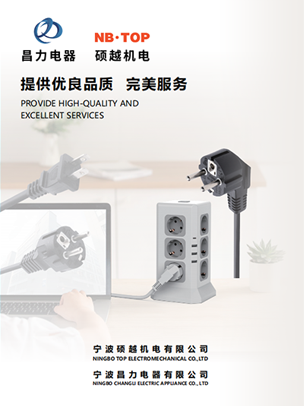
As China IEC connector plug Manufacturers and IEC connector plug Suppliers, Ningbo TOP Electromechanical Co., Ltd. is a globally renowned supplier of electrical and electronic products, specializing in the research, development, and manufacturing of series such as wires and cables, plugs and sockets, waterproof LED connectors, LED junction boxes, and lighting string wiring. The company strictly adheres to national and international standards, establishing itself in the market with exceptional quality and serving customers both domestically and internationally. Located in the conveniently accessible and economically vibrant Yuyao Zhongyi Wanyang Innovation Park on the southern coast of Hangzhou Bay, the company enjoys a strategic position with a one-hour economic radius covering Hangzhou International Airport, Ningbo Port, and Shanghai Airport. Its logistics network extends globally, ensuring prompt delivery and efficient service. We possess state-of-the-art manufacturing and testing equipment, implement comprehensive quality management systems, and have built a professional service team to ensure high standards at every stage from production to after-sales service. The company has obtained multiple international certifications, including CCC, VDE, UL, PSE, ASTA, SAA, and KC, with products meeting various international safety standards and earning the trust of clients worldwide. Our vision is to become a leader in the global power connection industry. We remain customer-centric, pursue excellence, and look forward to partnering with collaborators to achieve a brilliant future.

CATEGORIES
IEC connector plug Suppliers
-
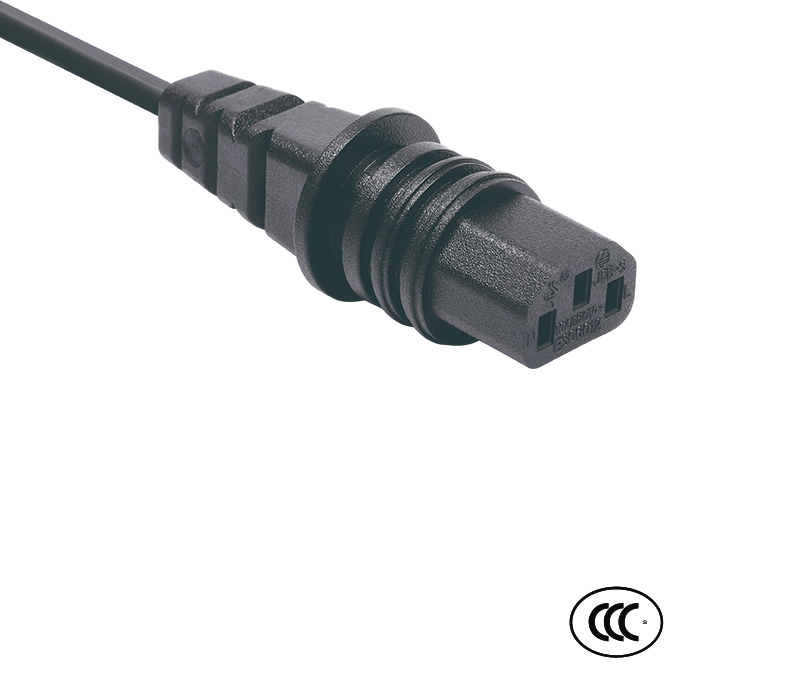 JCB-3 IEC Connector Female Socket C13 Compliant With Chinese StandardsDesigned specifically to meet Chinese electrical standards, this connector features a rated current ...
 -
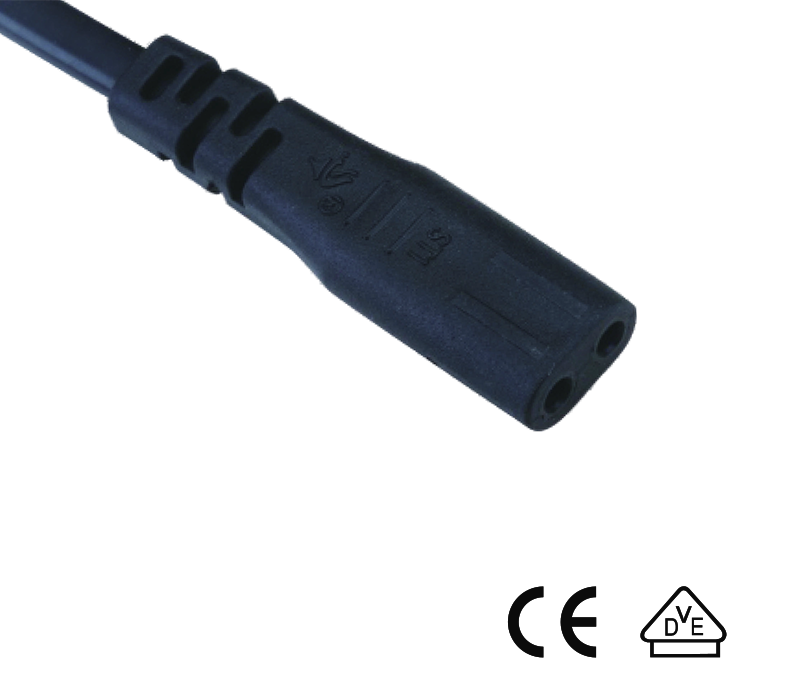 ST1 IEC Connector Female Socket C1 Compliant With European German StandardsFollowing strict German electrical standards, this connector has a rated current of 16A and a rated ...
 -
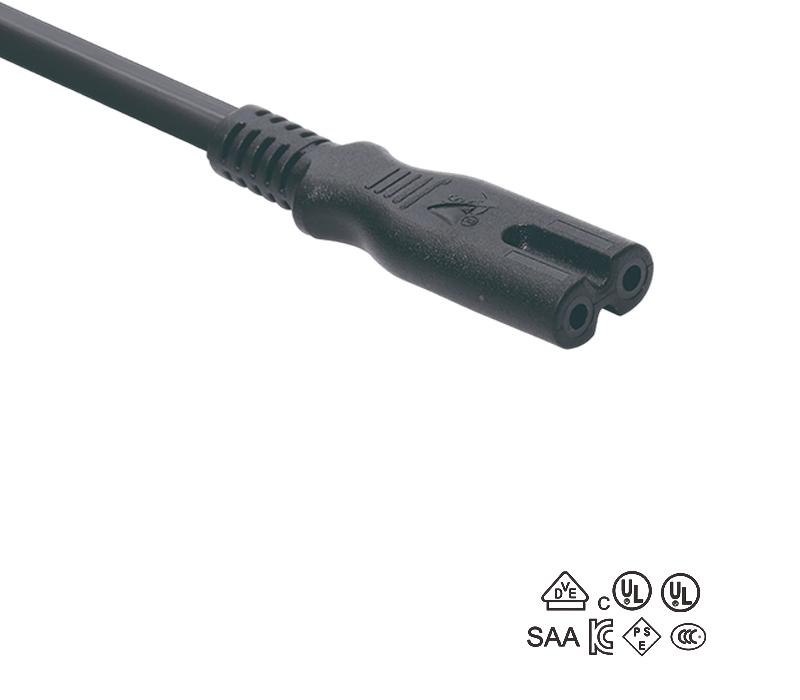 ST2/FY-ST2 Universal IEC Connector Female Socket C7With broad compatibility, this connector features a rated current of 2.5A and a rated voltage of 250...
 -
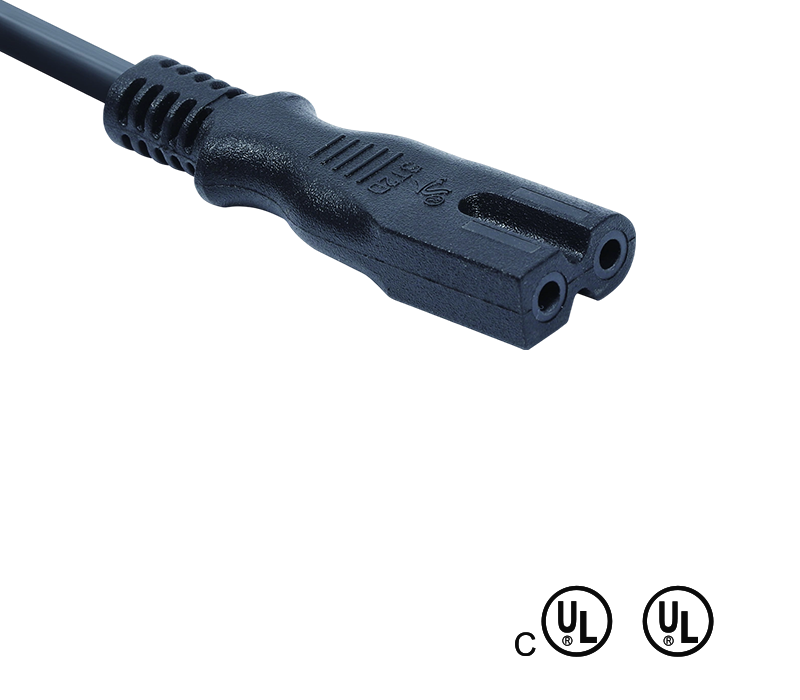 ST2D IEC Connector Female Socket C7 Following US StandardsBuilt according to American electrical standards, this connector supports a rated current of 2.5A an...
 -
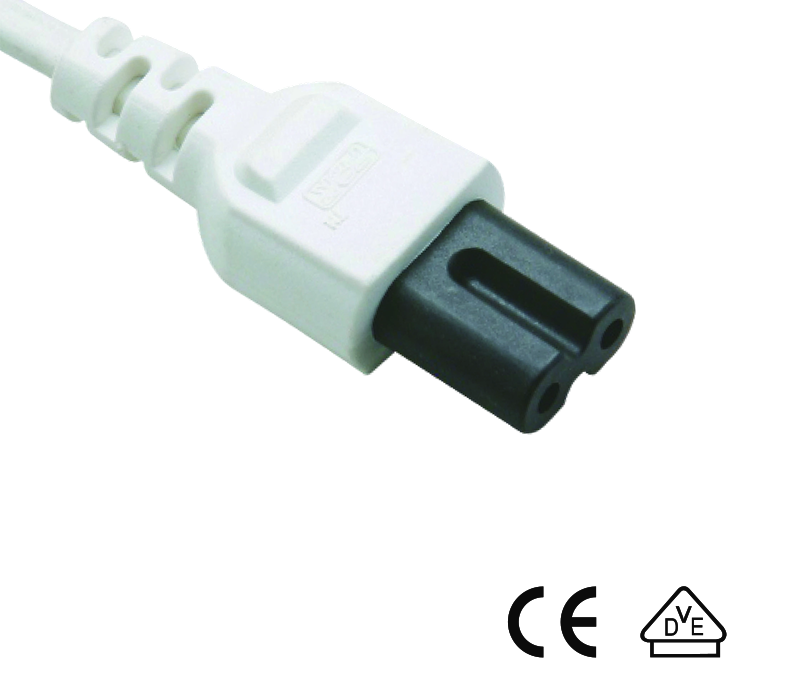 JT-ST2 IEC Connector Female Socket C7 Adhering To Chinese And German StandardsCombining Chinese and German electrical standards, this connector is rated at 2.5A and 250V, with du...
 -
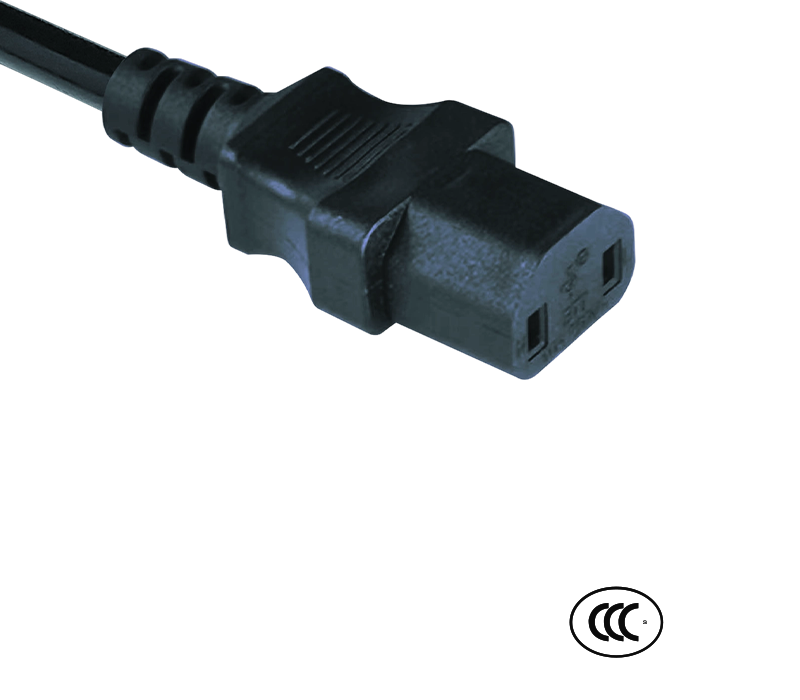 ST7 IEC Connector Female Socket C17 According To Chinese StandardsDesigned specifically for China's electrical appliances, this female header supports a rated current...
 -
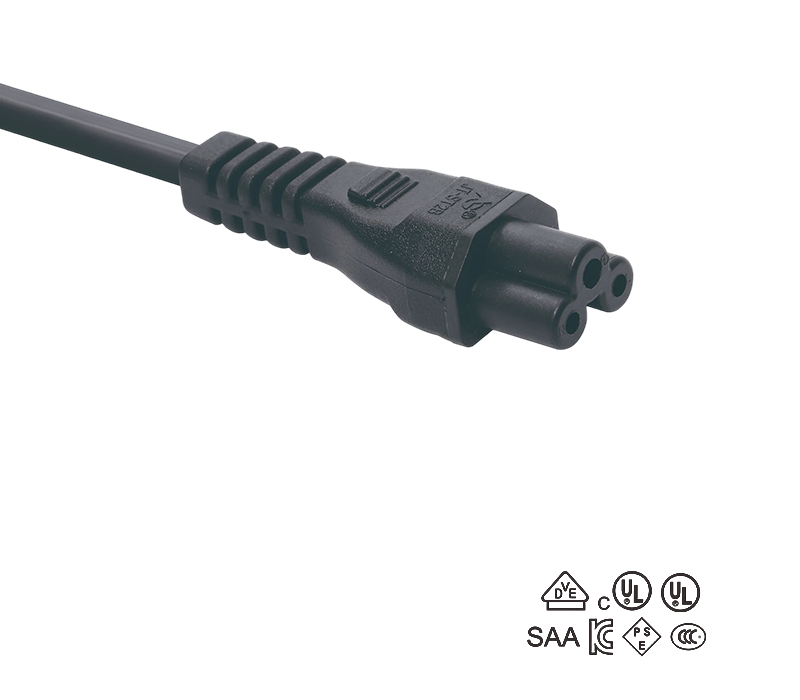 JT-ST2B/ST2B IEC Connector Female Socket C5 For Universal StandardsWith a universal specification, rated at 2.5A and 250V, this component features quick plug-and-play ...
 -
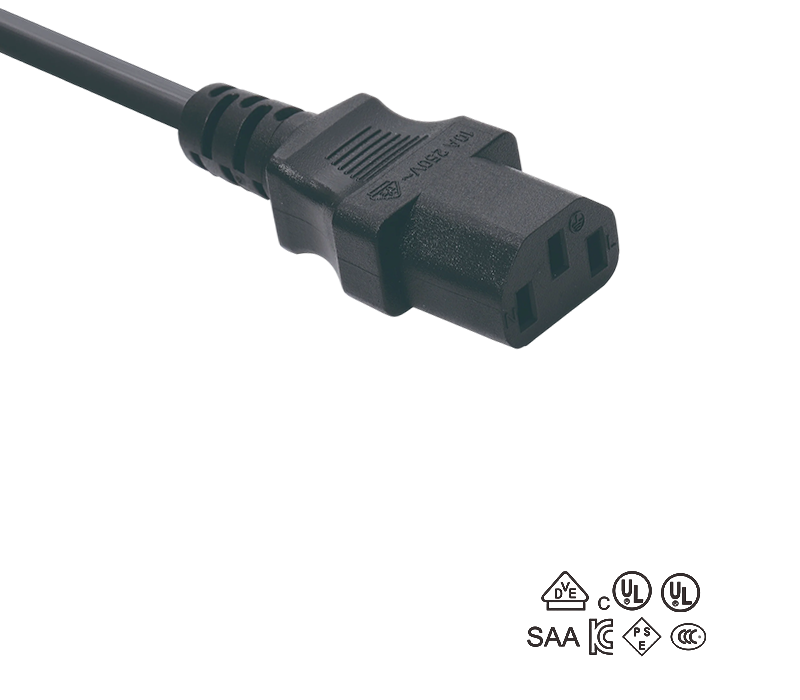 JT-ST3 IEC Connector Female Socket C13 For Universal StandardsHighly versatile, rated at 10A and 250V, equipped with overload protection. Made from high-quality c...
 -
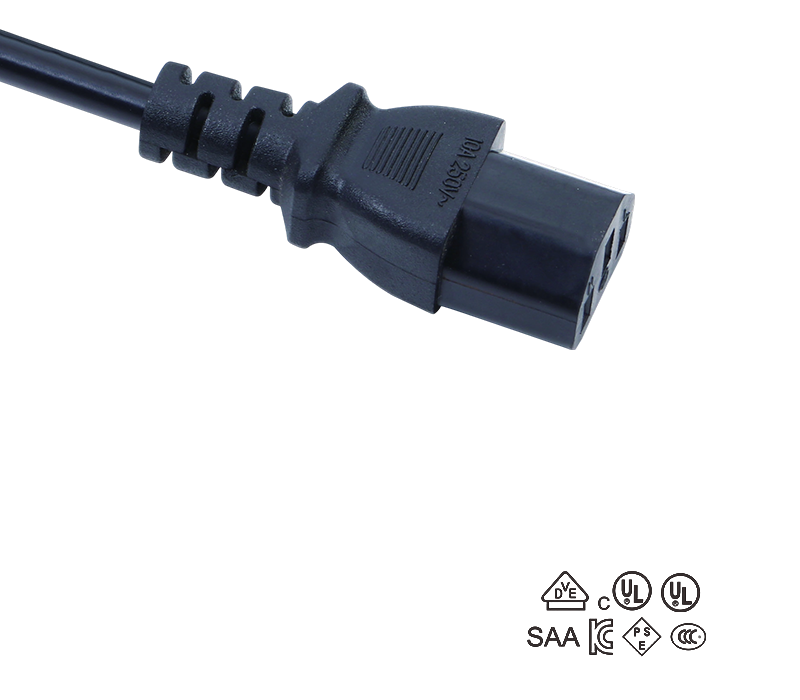 FY-ST3 IEC Connector Female Socket C13 For Universal StandardsHighly versatile, rated at 10A and 250V, equipped with overload protection. Made from high-quality c...
 -
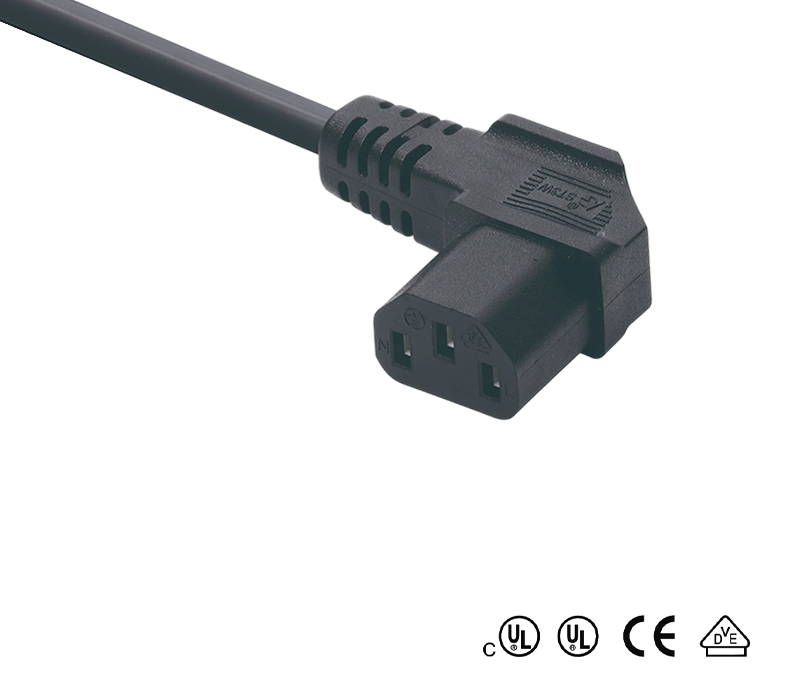 ST3W IEC Connector 90-Degree Angled Female Socket C13 Complying With US, Chinese, and German StandardsCombining electrical standards from the USA, China, and Germany, rated at 10A and 250V, this 90-degr...
 -
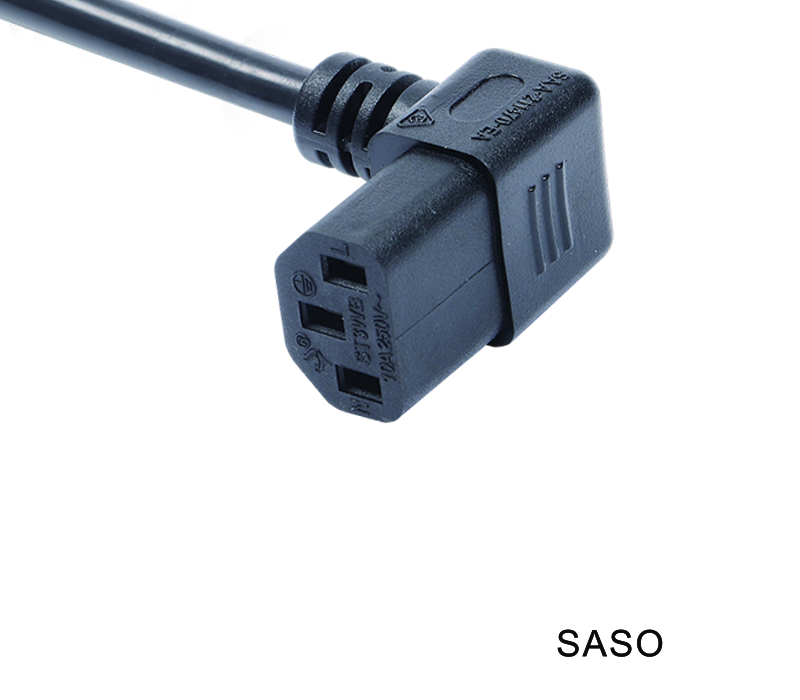 ST3WB IEC Connector 90-Degree Angled Female Socket C13 Compliant With Australian StandardsCompliant with Australian electrical standards, rated for 10A current and 250V voltage, featuring du...
 -
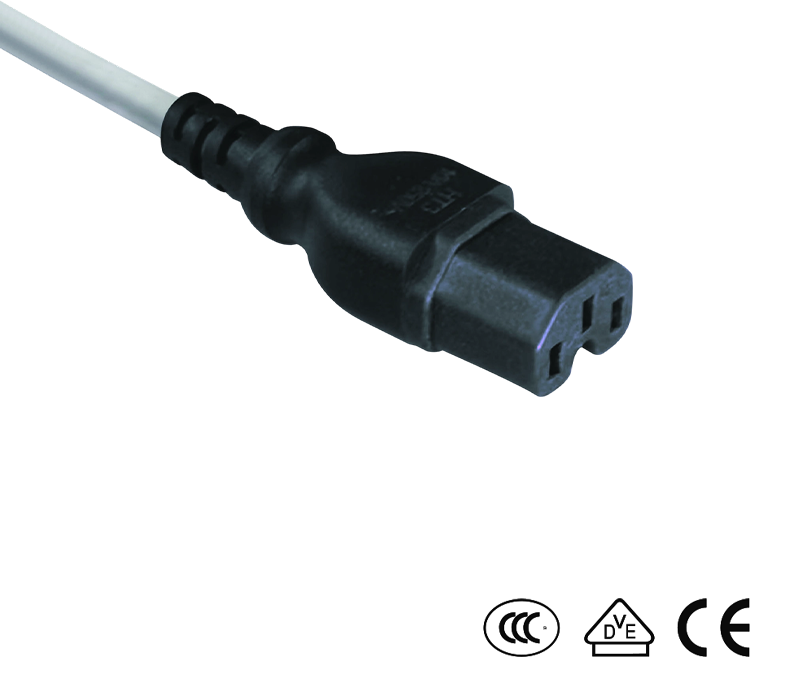 HT3 IEC Connector Female Socket C15 Following Chinese, German, And European StandardsIntegrating Chinese, German, and European electrical standards, rated for 16A current and 250V volta...
Introduction: Compliant with International Electrotechnical Commission (IEC) standards, including power connectors (e.g., IEC 60320) and RF connectors.
Applications: Suitable for medical devices, industrial automation, and automotive electronics, supporting low to high-frequency signal transmission.
Manufacturing: Certified by UL and CE, featuring modular designs compatible with various voltage and current ratings (such as C13/C14 interfaces).
Services: Offer customized connector solutions supporting quick connect/disconnect and anti-misconnection features.
Advantages: High standardization reduces trade barriers and improves device interoperability.

About Us

Ningbo TOP Electromechanical Co., Ltd.
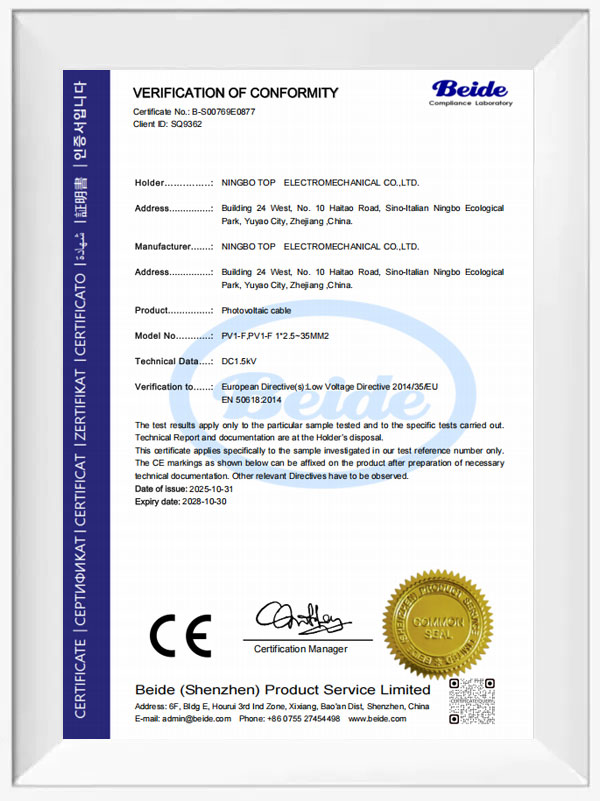
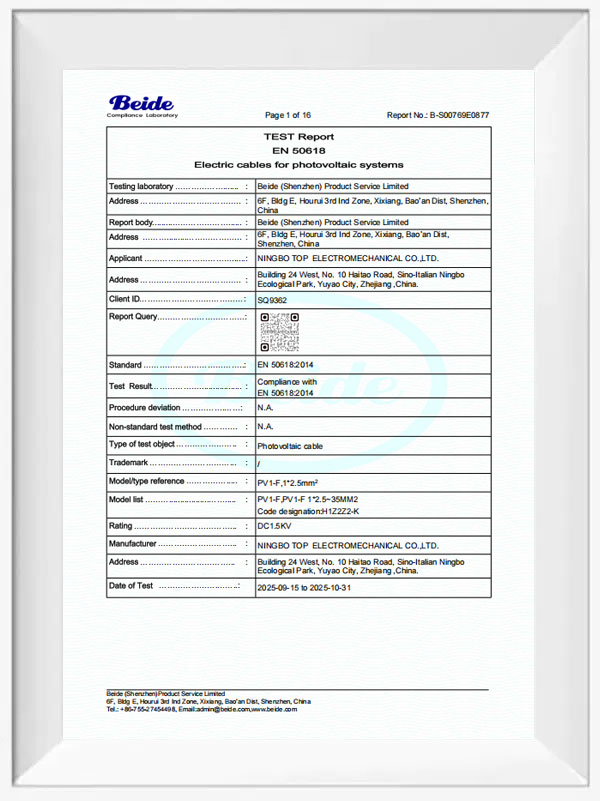
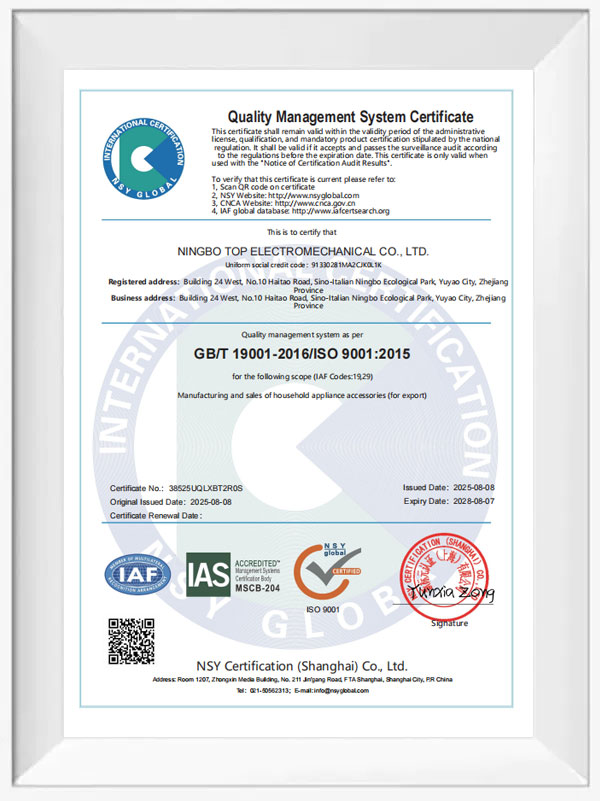
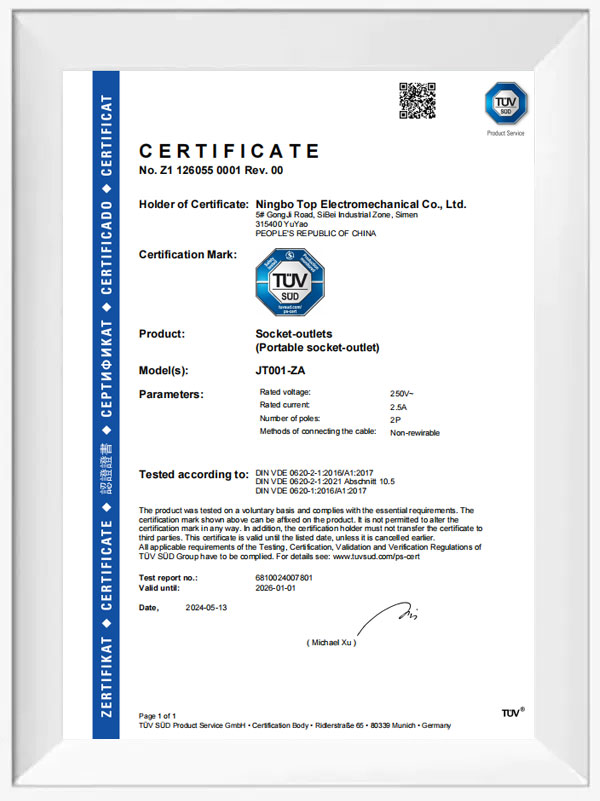
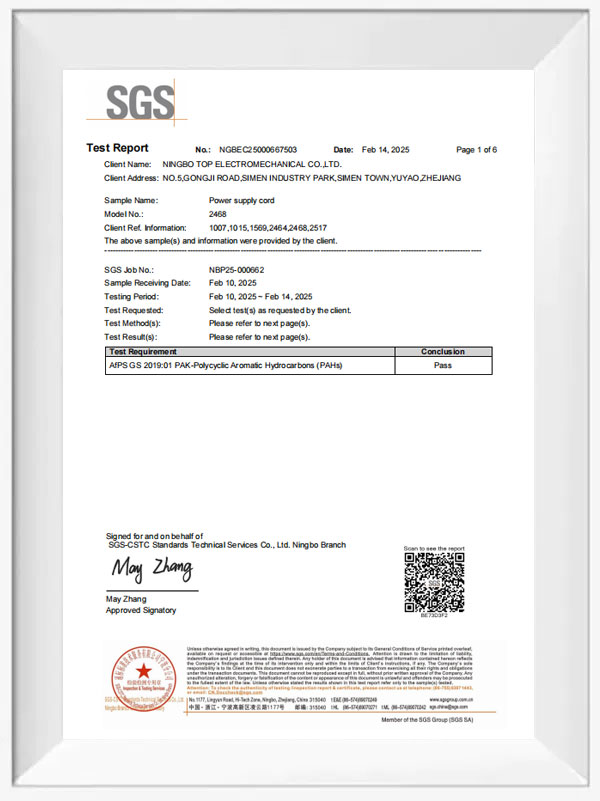
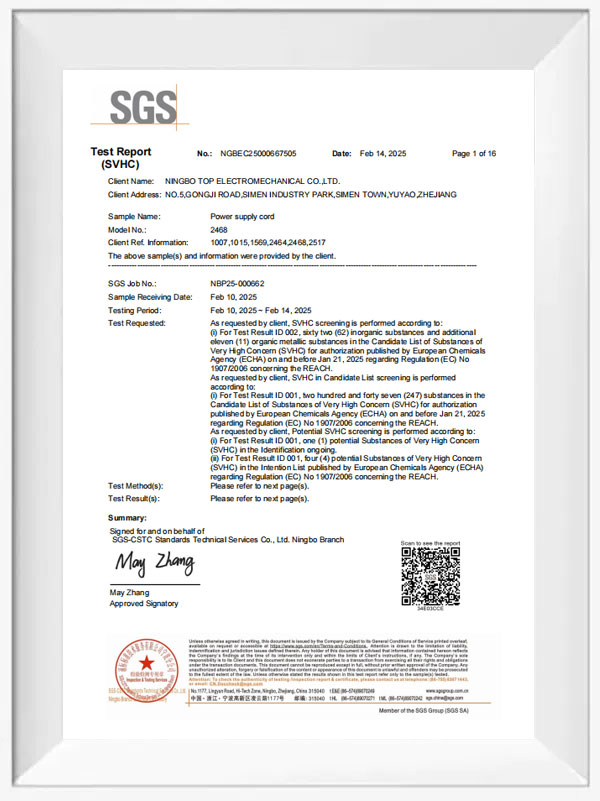
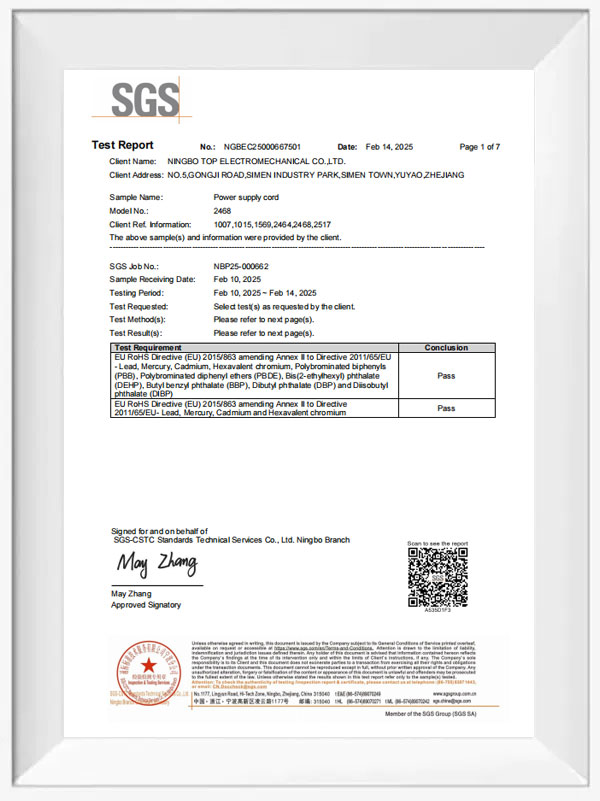
Certificate Of Honour

Latest News
Industry knowledge
Why Is the IEC 60320 Standard Critical for Global Device Interoperability and Safety?
The primary reason the IEC connector plug has become a global standard lies in its ability to eliminate trade barriers through harmonized technical specifications. Without a standardized interface, the global electronics trade would be a fragmented landscape of incompatible plugs and sockets, increasing costs for manufacturers and risks for consumers.
The Architecture of the IEC 60320 Series
The IEC 60320 standard is arguably the most recognized and influential family of the IEC connector plug ecosystem. It serves as a comprehensive regulatory framework that meticulously categorizes connectors based on three critical operational pillars: temperature tolerance, current-carrying capacity, and earthing requirements. By defining specific mechanical "keying" shapes, the standard ensures that a "cold" connector cannot be mistakenly inserted into a "hot" appliance, thereby preventing thermal failures. These categories are typically segmented into "Cold" (70°C), "Hot" (120°C), and "Very Hot" (155°C) configurations, with current ratings extending up to 16A internationally (or 20A in North America), providing a failsafe mechanism for engineers to match power supply cords with the specific electrical and thermal profiles of their devices.
C13/C14 Connectors: Widely regarded as the "workhorses" of the information technology industry, these connectors are essential for powering a vast array of enterprise and consumer electronics. The C14 inlet and the corresponding C13 IEC connector plug are standard on almost every desktop computer, professional monitor, and rack-mounted server. Their three-pin design ensures a reliable grounded connection, supporting currents up to 10A globally or 15A in North America. Their compact size and robust retention make them the go-to solution for high-density computing environments where space and stability are paramount.
C19/C20 Connectors: As modern data centers transition toward high-performance computing and AI-driven workloads, power densities have scaled significantly. This evolution has necessitated the widespread adoption of the C19/C20 IEC connector plug series. Unlike the C13, the C19/C20 interface features a rectangular pin layout and larger conductors, allowing it to safely handle higher current loads of up to 16A (International) or 20A (North America). These are typically found on high-capacity Power Distribution Units (PDUs), large enterprise routers, and blade server chassis, where standard connectors would be insufficient for the thermal and electrical demands.
Thermal Performance and Safety Overlays
A major topic in industry forums today is the "hot connector" versus "cold connector" debate. A standard IEC connector plug like the C13 is rated for a maximum pin temperature of 70°C. However, in industrial environments or high-performance computing, equipment generates significant heat. This necessitates the use of high-temperature versions, such as the C15/C16 IEC connector plug, which can withstand up to 120°C.
Safety is not just about temperature; it is about electrical integrity. The IEC connector plug design ensures that it is physically impossible to plug a lower-rated connector into a higher-temperature or higher-current inlet. This "mechanical coding" is a cornerstone of IEC safety philosophy. Furthermore, high-quality IEC connector plug units feature "anti-misconnection" designs, which prevent accidental improper insertion that could lead to arcing or short circuits.
The Role of Certification (UL, CE, VDE)
In the global supply chain, a IEC connector plug is only as good as its certifications. Manufacturers like Ningbo TOP Electromechanical Co., Ltd. invest heavily in obtaining UL (United States), CE (Europe), VDE (Germany), and CCC (China) certifications. These labels are not merely marketing tools; they are guarantees that the IEC connector plug has undergone rigorous testing for insulation resistance, dielectric strength, and mechanical durability. For instance, UL certification ensures that the plastics used in the IEC connector plug body are flame-retardant, a critical factor in preventing electrical fires in industrial settings.
How Are Emerging Technologies in Medical and Industrial Sectors Redefining the Performance Requirements of the IEC Connector Plug?
We are currently witnessing a profound industry shift where the IEC connector plug is no longer viewed as a simple "commodity" or a passive plastic component, but as a high-performance, critical-path system element. As we accelerate toward the Industry 4.0 era and high-acuity advanced medical care, the performance burdens placed on connector design have become significantly more rigorous. Engineers must now account for factors that were previously secondary, such as electromagnetic compatibility (EMC), micro-leakage current control, and extreme mechanical resilience in high-cycle or high-vibration environments.
Medical Grade Requirements: Reliability Where it Matters Most
In a medical environment, a power failure is not an inconvenience—it is a life-threatening event. A medical-grade IEC connector plug must meet the stringent safety requirements of IEC 60601-1, which governs electrical and mechanical safety for healthcare equipment. Key differentiators include:
Low Leakage Current: Specialized medical plugs must minimize "leakage current" to the microampere level (often below 100μA) to protect patients who may be physically attached to monitoring devices.
Enhanced Physical Retention: One of the most critical innovations is the "Locking" IEC connector plug. Devices like ventilators or infusion pumps cannot risk accidental disconnection. Modern solutions incorporate internal latching or "V-Lock" systems that grip the pins, requiring a specific release action to unplug.
Visual Identification: To prevent errors in high-stress clinical environments, these connectors often feature distinctive "Green Dot" markings and color-coded housings to signify hospital-grade compliance.
Industrial Automation and Environmental Resilience
In the realm of Industry 4.0 and industrial automation, the IEC connector plug must survive conditions that would destroy standard consumer-grade components.
Vibration & Mechanical Stress: Robotic arms and high-speed production lines generate constant kinetic energy. A high-performance IEC connector plug for this sector must feature reinforced strain reliefs and screw-down or bayonet-style locking mechanisms to ensure a stable electrical contact despite 24/7 vibration.
Harsh Environments: Exposure to cutting fluids, dust, and moisture requires connectors with high Ingress Protection (IP) ratings, such as IP67 or IP69K. Furthermore, as machinery becomes more compact, the trend toward miniaturization has led to the development of higher-density IEC interfaces that pack more power into a smaller footprint without compromising thermal dissipation.
Smart Integration: We are seeing the rise of "IoT-enabled" connectors. Modern IEC connector plug assemblies can now integrate thermal sensors or current-monitoring chips that communicate via wireless protocols to a central factory management system, enabling predictive maintenance by alerting operators before a connector reaches its thermal limit.
|
Feature Category |
Standard Commercial IEC Plug |
High-Performance/Medical IEC Plug |
Industrial/Automotive IEC Plug |
|---|---|---|---|
|
Current Rating |
Typically 10A - 16A |
10A - 20A (Enhanced) |
Up to 32A+ (Modular) |
|
Temperature Rating |
70°C (Cold) |
120°C (Hot) |
-40°C to +150°C |
|
Safety Features |
Standard Grounding |
Locking Mechanism / Low Leakage |
IP67 Waterproof / EMI Shielding |
|
Primary Markets |
Household / Office |
Hospitals / Laboratories |
Factories / EV Charging |
|
Common Interfaces |
C13, C14, C7 |
C19, C15 |
Custom Modular / RF Connectors |
What Strategic Advantages Does a Specialized Manufacturer Bring to the Global Supply Chain?
As the complexity of modern electronic systems grows exponentially, the traditional binary relationship between "Suppliers" and "Manufacturers" of the IEC connector plug has undergone a fundamental transformation into a deep-seated strategic partnership. In today's market, a connector is no longer a peripheral afterthought but a core component that influences system efficiency, heat management, and long-term reliability. This shift toward technical synergy is where industry leaders like Ningbo TOP Electromechanical Co., Ltd. truly distinguish themselves from the competition. By moving beyond simple order fulfillment to provide end-to-end design consultation, high-tier testing, and rapid prototyping, they offer a level of technical depth that bridges the gap between raw power requirements and sophisticated hardware implementation.
Innovation and R&D Focus
The modern IEC connector plug market requires constant innovation. It is no longer enough to produce a standard plug; manufacturers must offer customized solutions. For example, some clients may require an IEC connector plug with a specific right-angle orientation to fit into tight enclosures, or a plug with integrated fuse holders for additional circuit protection. Ningbo TOP Electromechanical Co., Ltd. excels in this area, leveraging their research and development expertise to create series such as waterproof LED connectors and specialized lighting string wiring alongside their core IEC connector plug offerings.
Global Logistics and Strategic Location
The efficiency of a IEC connector plug supplier is often measured by their logistics network. Located in the Yuyao Zhongyi Wanyang Innovation Park, Ningbo TOP Electromechanical Co., Ltd. sits within a one-hour economic radius of major global hubs: Hangzhou International Airport, Ningbo Port, and Shanghai Airport. For an international buyer, this means that high-volume orders of the IEC connector plug can be manufactured and shipped with minimal lead times. In an era of "just-in-time" manufacturing, the proximity to a world-class port is a decisive advantage that ensures prompt delivery and reduces inventory holding costs for the client.
Quality Management Systems (QMS)
Manufacturing a IEC connector plug requires precision. Even a sub-millimeter deviation in the pin diameter or spacing can lead to poor contact, overheating, and eventual failure. Leading Manufacturers implement comprehensive quality management systems. By adhering to international standards such as VDE, PSE, ASTA, SAA, and KC, Ningbo TOP Electromechanical Co., Ltd. ensures that every IEC connector plug leaving their facility meets the highest global benchmarks. Their vision to become a leader in the global power connection industry is backed by state-of-the-art testing equipment that simulates years of mechanical wear and electrical stress.
The Advantage of Standardization
Ultimately, the greatest advantage of the IEC connector plug is standardization. By choosing a manufacturer that strictly follows IEC protocols, companies can ensure that their products are "future-proof." As global trade continues to expand, the interoperability provided by a standardized IEC connector plug reduces the need for multiple SKUs (Stock Keeping Units) for different regions, significantly simplifying the supply chain and improving device interoperability on a global scale.
The journey of the IEC connector plug is one of continuous refinement. From the basic C13 cable found in a home office to the ruggedized, shielded connectors used in autonomous vehicles, the IEC connector plug remains the most reliable method of delivering power and signals.
For businesses looking for a competitive edge, partnering with a globally renowned supplier like Ningbo TOP Electromechanical Co., Ltd. provides more than just a component; it provides a foundation of safety, quality, and technical excellence. As a leading China IEC connector plug Manufacturer, the company’s commitment to customer-centricity and international certification ensures that they remain at the forefront of the industry. Whether it is through supporting high-frequency signal transmission or offering customized quick-disconnect solutions, the IEC connector plug will continue to power the innovations of tomorrow.
By prioritizing standardization and pursuing excellence, the industry moves closer to a future where power is seamless, safe, and universally accessible. The IEC connector plug is not just a part of the machine—it is the vital link that brings the machine to life.

Contact Us
LET'S START COLLABORATING
 Ningbo TOP Electromechanical Co., Ltd. specializes in the R&D and manufacturing of
wires & cables, plugs & sockets, waterproof LED connectors, and more. Ourproducts
meet multiple international certifications and are widely used in global markets.
Ningbo TOP Electromechanical Co., Ltd. specializes in the R&D and manufacturing of
wires & cables, plugs & sockets, waterproof LED connectors, and more. Ourproducts
meet multiple international certifications and are widely used in global markets.
STAY CONNECTED
 Phone:+86-13586690829
Tel:+86-0574-62135837-801
 [email protected]
[email protected]
 Sibei Industrial Yuyao City, Ningbo, Zhejiang, China
MOBILE
Copyright ? Ningbo TOP Electromechanical Co., Ltd. All Rights
Reserved
 Custom IEC connector plug Manufacturers