


 中文简体
中文简体  Español
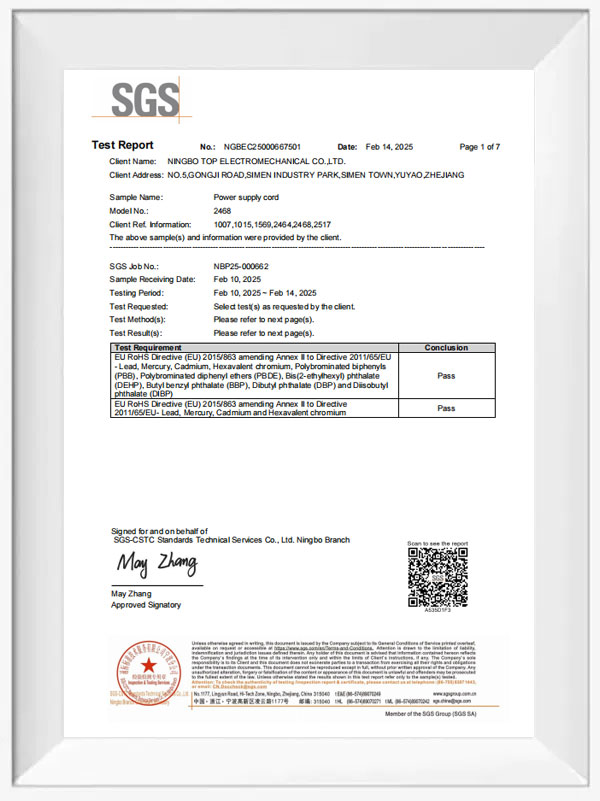
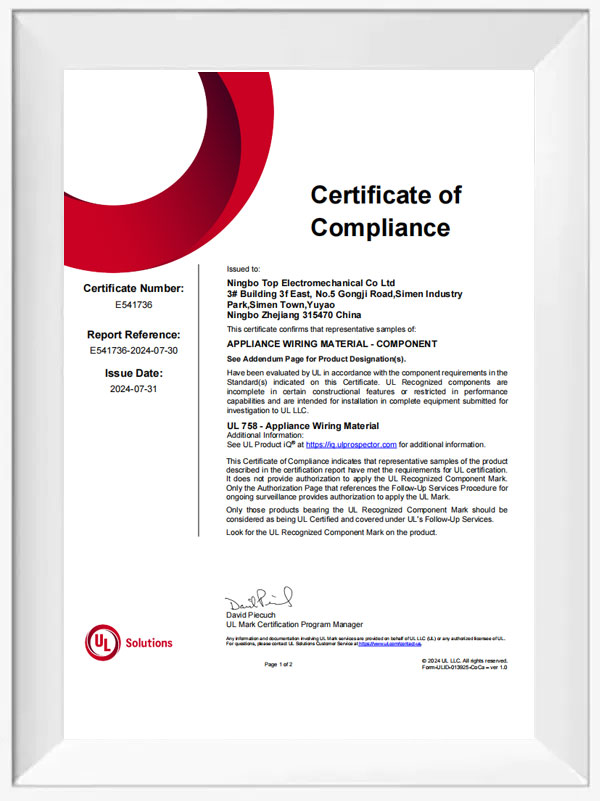
As China Thai Standard Plug Manufacturers and Thai Standard Plug Suppliers, Ningbo TOP Electromechanical Co., Ltd. is a globally renowned supplier of electrical and electronic products, specializing in the research, development, and manufacturing of series such as wires and cables, plugs and sockets, waterproof LED connectors, LED junction boxes, and lighting string wiring. The company strictly adheres to national and international standards, establishing itself in the market with exceptional quality and serving customers both domestically and internationally. Located in the conveniently accessible and economically vibrant Yuyao Zhongyi Wanyang Innovation Park on the southern coast of Hangzhou Bay, the company enjoys a strategic position with a one-hour economic radius covering Hangzhou International Airport, Ningbo Port, and Shanghai Airport. Its logistics network extends globally, ensuring prompt delivery and efficient service. We possess state-of-the-art manufacturing and testing equipment, implement comprehensive quality management systems, and have built a professional service team to ensure high standards at every stage from production to after-sales service. The company has obtained multiple international certifications, including CCC, VDE, UL, PSE, ASTA, SAA, and KC, with products meeting various international safety standards and earning the trust of clients worldwide. Our vision is to become a leader in the global power connection industry. We remain customer-centric, pursue excellence, and look forward to partnering with collaborators to achieve a brilliant future.

CATEGORIES
Thai Standard Plug Suppliers
-
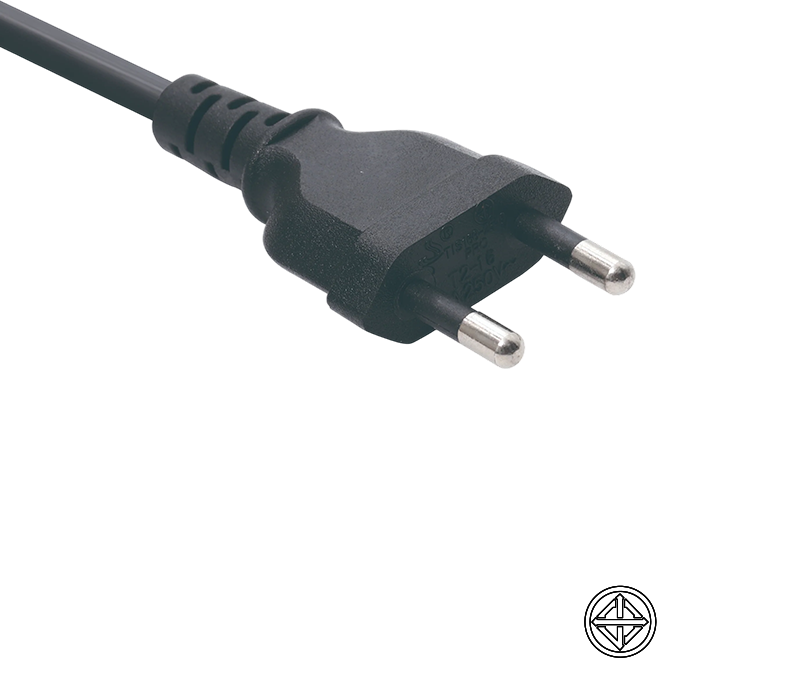 T2-3/6/10/16 16A 250V Thailand Two-Pin PlugConforming to Thai standards, this two-pin plug features a rated current of 16A, enabling it to supp...
 -
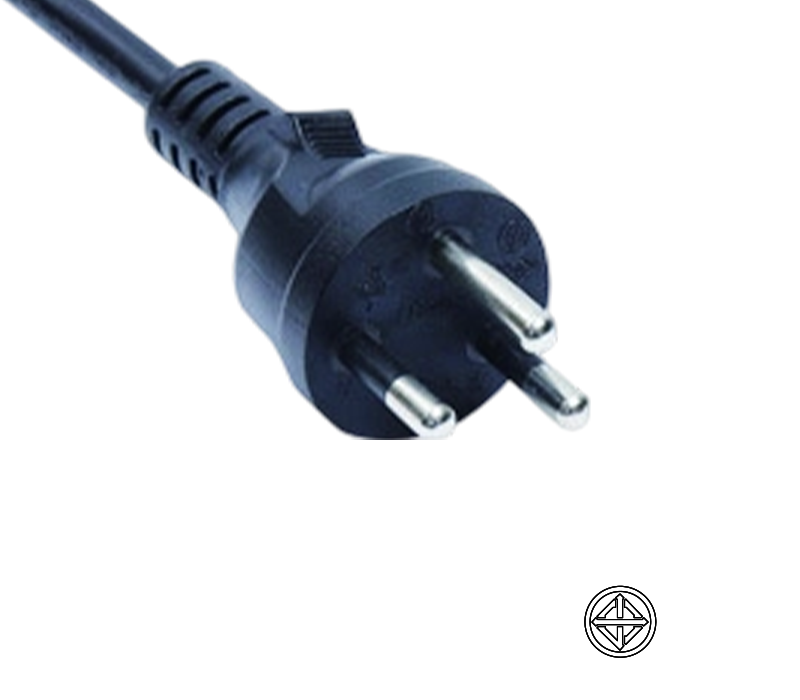 T3-3C/6C/10C/16C 16A 250V Thailand Three-Pin PlugThis three-pin plug complies with Thai standards, rated at 16A. Made with high-purity copper conduct...
 -
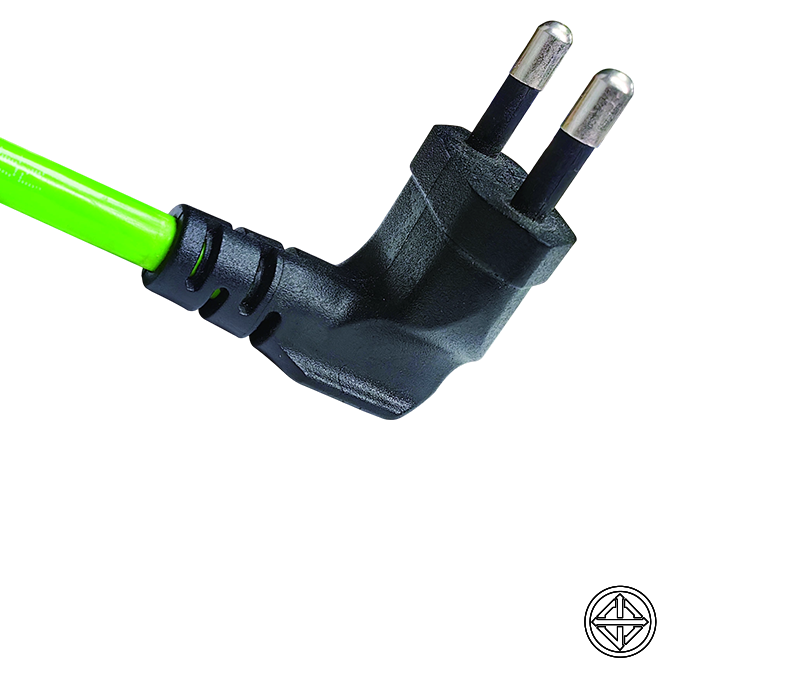 T2-3W/6W/10W/16W 16A 250V Thailand Two-Pin 90-Degree Angled PlugFeaturing a 90-degree angled design, this two-pin plug complies with Thai standards and rated at 16A...
 -
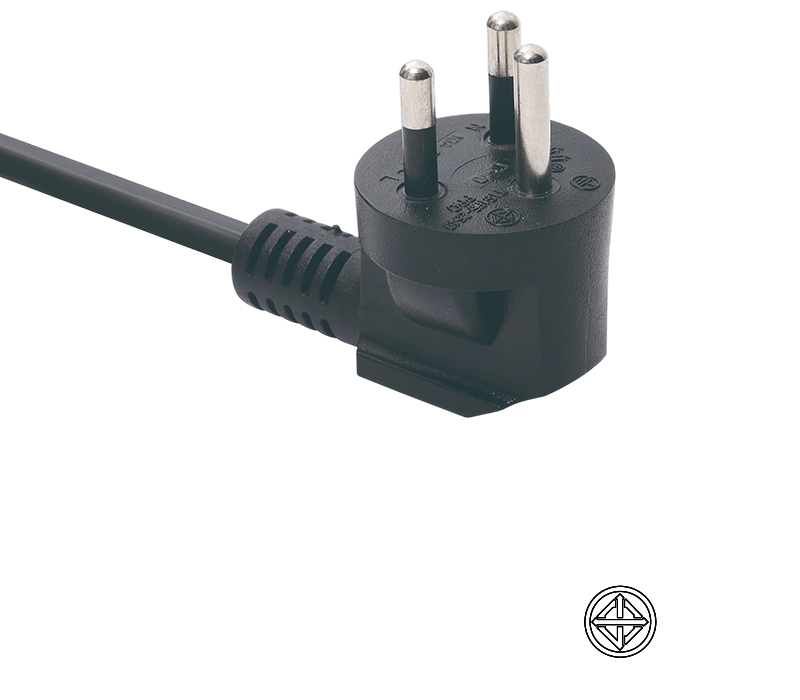 T3-3/6/10/16 16A 250V Thailand Three-Pin 90-Degree Angled PlugThis three-pin plug adheres to Thai standards with a 90-degree angled configuration rated at 16A. Co...
Introduction: Features two-pin and three-pin round plug designs, conforming to TIS standards.
Application: Used in Thai households and offices, compatible with 220V/50Hz voltage.
Manufacturing: TIS certified, cables made of flame-retardant materials; plugs and sockets tinned.
Service: Offers custom cable lengths and adapter support for European outlets.
Advantages: Cost-effective, well-suited for the Southeast Asian market.

About Us
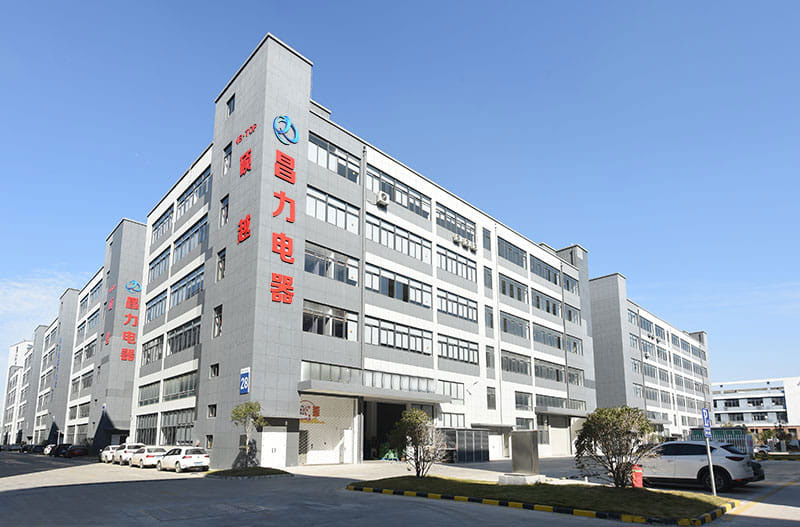
Ningbo TOP Electromechanical Co., Ltd.
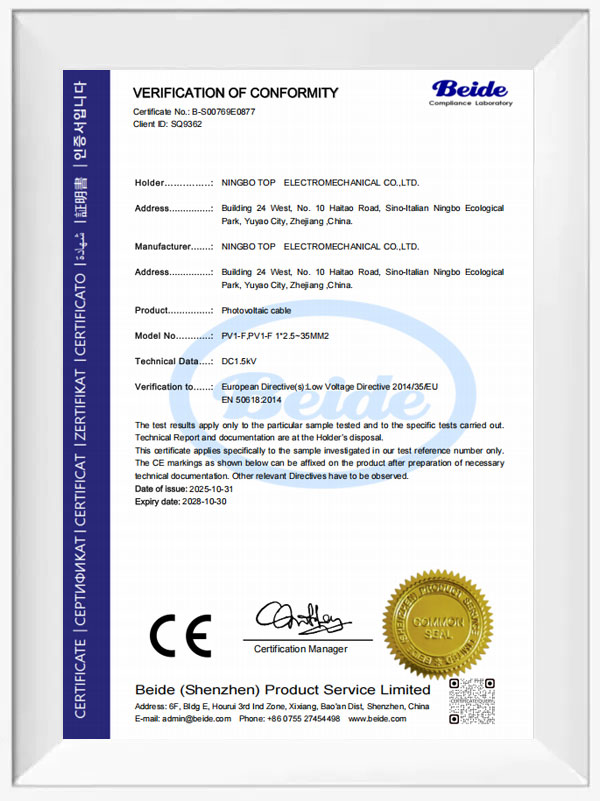
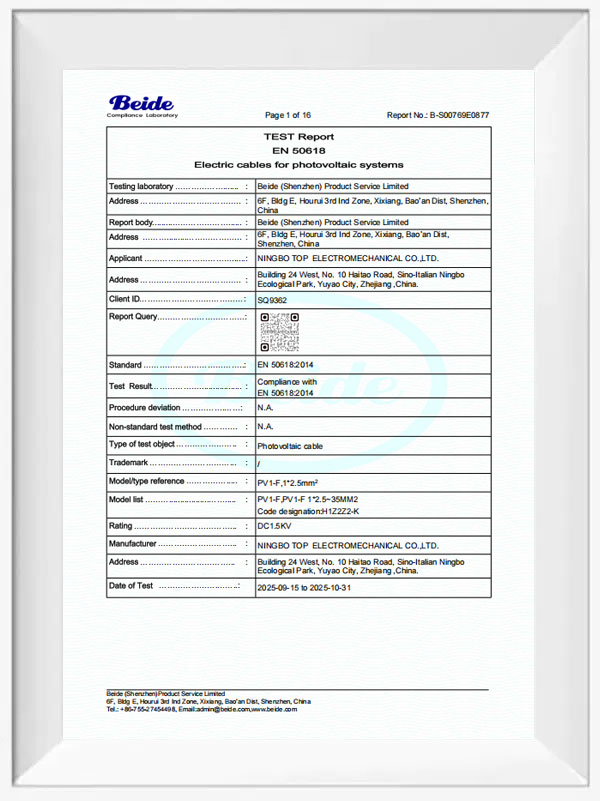
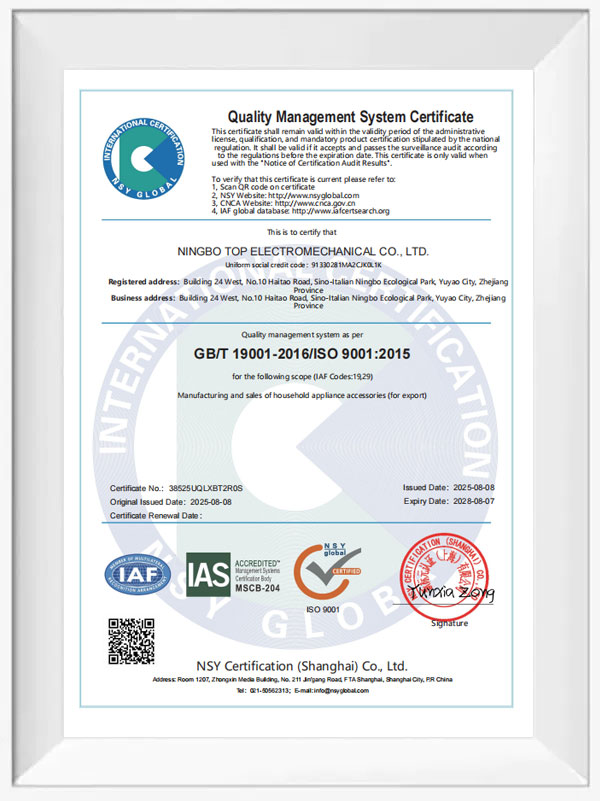
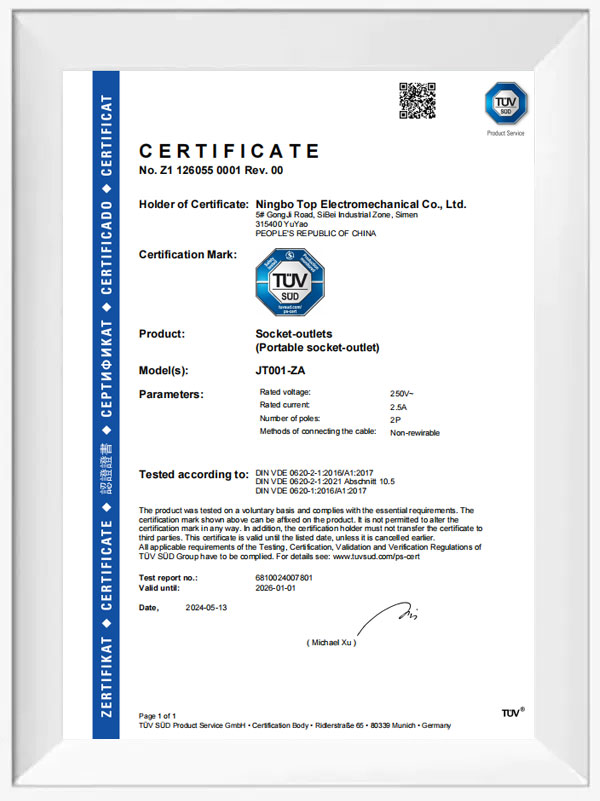
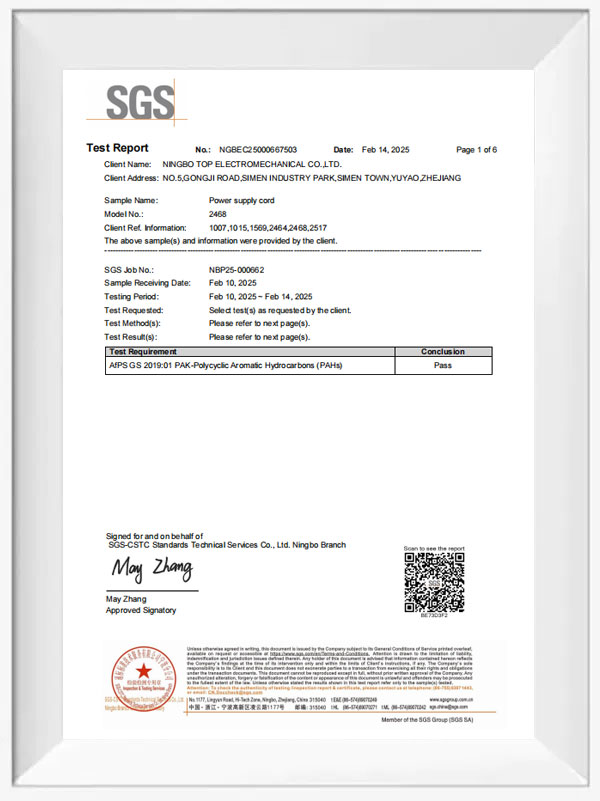
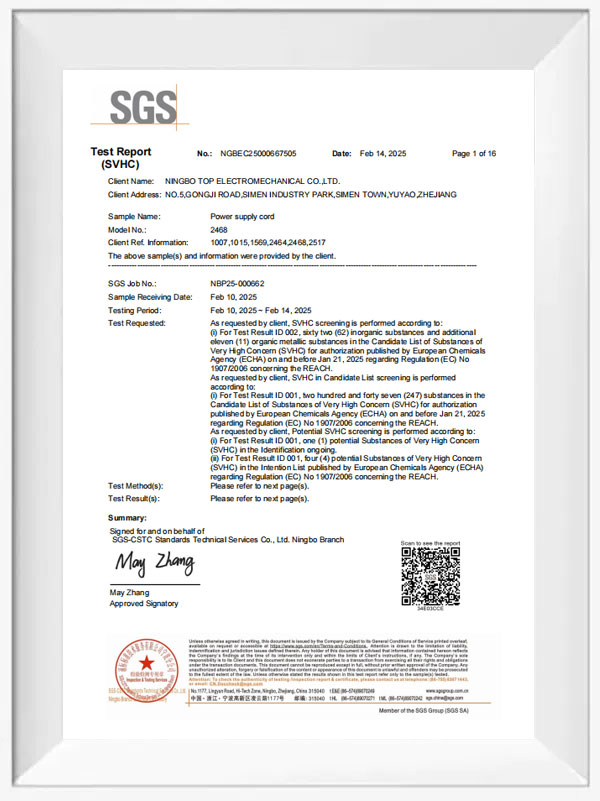
Certificate Of Honour
Latest News
Industry knowledge
How does the grounding design of the Thai Standard Plug ensure electrical safety?
The Thai Standard Plug is designed with a strong emphasis on electrical safety, especially for use with high-power appliances and household devices. The grounding design is one of the key components of the plug's safety. An effective grounding system prevents the risk of electric shock in case of appliance malfunction, reduces fire hazards, and ensures user safety.
Design and Function of the Grounding Pin
The Thai Standard Plug typically has three pins, one of which is the grounding pin. The grounding pin is longer than the other two current-carrying pins, ensuring that the grounding function is activated first when the device is plugged into the socket. The grounding pin's function is to conduct leakage current from the appliance's casing (such as a metal casing) to the ground. Especially in the event of an electrical fault, if there is a problem with the appliance's internal circuitry (such as damaged wires or a short circuit), the grounding system safely directs the leakage current to the ground instead of through a person's body, effectively preventing electric shock.
Electrical Principles of the Grounding System
The principle of the grounding design is to connect the electrical equipment's casing to the ground via the grounding pin. When a leakage current occurs, the current can be safely conducted to the ground through the grounding pin, preventing current from accumulating on the appliance's casing. Without grounding, even in the event of a malfunction, leakage current could flow through the appliance casing to the user, causing an electric shock. This is especially dangerous for high-power appliances (such as air conditioners, refrigerators, and electric water heaters) without grounding, posing a significant safety hazard in case of malfunction.
For example, grounding plugs are commonly used in modern household appliances such as refrigerators, air conditioners, and washing machines. When these devices experience a short circuit, the grounding system allows the current to quickly flow to the ground, preventing fires and electric shocks caused by electrical problems. The electrical system design of many high-power appliances requires the use of plugs with grounding pins, which is a basic requirement for modern electrical safety.
Compliance with International Safety Standards
The grounding design of the Thai Standard Plug complies with international electrical safety standards, such as IEC (International Electrotechnical Commission) standards, ensuring compatibility and safety of plugs and sockets. The grounding pin design takes into account potential electrical faults during equipment use and reduces the incidence of accidents through timely grounding. Furthermore, electrical equipment in Thailand must pass relevant electrical safety certifications, and all plug and socket designs are required to comply with national electrical safety standards. Grounding design is not only a core requirement of Thai domestic plug standards but also an important safety standard for electrical equipment worldwide. Many plugs on the international market (such as the three-prong plugs in the United States and the Schuko plugs in Europe) also use a grounding pin design, reflecting a universal standard for global electrical safety.
What are the voltage and frequency requirements for Thai Standard Plugs?
Thailand's power system, similar to many European and Asian countries, uses a standard alternating current (AC) system with a voltage of 230 volts (V) and a frequency of 50 hertz (Hz). This differs from the power standards in the United States, Canada, and some other North American countries, which typically use 120 volts and 60 hertz. Understanding these power requirements is crucial for selecting appliances, matching plugs, and using electrical equipment internationally.
Voltage Requirements
The standard voltage in Thailand is 230V (±10%). This voltage is the same as in most European countries (such as the UK, Germany, France, etc.) and many Asian countries (such as India, Australia, and Indonesia). This means that most household appliances and electrical devices manufactured in these countries can be used directly in Thailand without the need for an additional voltage converter. This is especially true for medium to high-power appliances such as air conditioners, water heaters, and refrigerators, which adhere to this standard.
However, appliances from low-voltage regions (such as the United States and Japan) cannot be used directly in Thailand. The voltage standard in the US and Japan is 120V, and the difference between this voltage and Thailand's 230V requires a voltage converter to ensure proper operation and prevent damage to the appliance. Therefore, when bringing appliances from low-voltage regions like the US or Japan to Thailand, users must ensure their appliances are compatible with 230V.
Frequency Requirements
The power frequency in Thailand is 50 hertz (Hz), which is the same as in many European and Asian countries. Frequency has a significant impact on the performance of electric motors, transformers, and other electrical equipment. For frequency-sensitive appliances, such as certain types of power tools, clocks, and audio equipment, frequency differences can affect their normal operation. Appliances from 60Hz regions (such as the United States) may experience unstable operation or reduced efficiency when used in Thailand.
For example, some household appliances, such as electronic clocks and power tools, may be designed for 60Hz operation. Therefore, under a 50Hz power system, the motor may operate slightly differently, leading to reduced efficiency or increased vibration. In such cases, using a frequency converter to adjust the frequency is a solution to consider.
The Impact of Voltage and Frequency on Electrical Appliances
In Thailand, electrical appliances must be compatible with 230V voltage and 50Hz frequency. For most appliances, these power requirements are standard, but incompatibility issues may arise with certain devices, especially those designed for different voltages and frequencies. Particular attention must be paid to voltage and frequency matching when importing electrical appliances.
In Thailand, the plugs and sockets for household and industrial equipment are generally compatible with 230V and 50Hz power systems, meaning most local appliances can be used directly without additional adapters or voltage converters. However, if users need to bring appliances from other regions (such as the United States, Canada, Japan, etc.) to Thailand, it is crucial to check the voltage and frequency requirements of the appliance to ensure compatibility.
How to Choose the Appropriate Thai Standard Plug?
Choosing the appropriate Thai Standard Plug is crucial for ensuring the safe and stable operation of electrical appliances in Thailand and other countries that use the same standards. Selecting the correct plug type not only improves the efficiency of electrical equipment but also effectively prevents electrical faults or safety issues.
Current Carrying Capacity
Thai Standard Plugs typically come in 10A and 15A specifications. It is very important to choose the appropriate plug based on the power and current requirements of the appliance. Common household appliances, such as small appliances (electric toothbrushes, rice cookers, televisions, etc.), usually use 10A plugs, while high-power appliances (such as air conditioners, electric water heaters, refrigerators, etc.) require 15A plugs. To ensure electrical safety, choosing a plug with the correct current rating can prevent overheating or the risk of electrical fires.
Calculating Current Requirements:
The power of the appliance and Thailand's voltage standard (230V) directly affect the current rating of the plug. The required current can be calculated using the following formula:
Current = Power / Voltage
For example, if the power of the appliance is 2000W, the required current is:
Current = 2000 / 230≈8.7A
An appliance with this power requirement is suitable for a 10A plug.
Plug Type Selection
Thailand's plug standards mainly include Type A, Type B, and Type C. Different types of plugs are suitable for different appliances, and the choice should be based on the characteristics of the appliance.
- Type A Plug: Suitable for low-power appliances, such as chargers, small appliances, and electronic devices. It has two parallel pins and does not have a grounding function.
- Type B Plug: A three-prong plug with a grounding pin, suitable for high-power appliances such as air conditioners, refrigerators, and electric water heaters. This plug provides grounding protection, ensuring that electrical faults do not pose an electric shock hazard to the user.
- Type C Plug: Usually used for medium-power household appliances and some small devices, and is compatible with standards in some other Asian and European markets. Ningbo TOP Electromechanical Co., Ltd., as a global supplier of electrical equipment, understands the importance of plug types for the safety and performance of electrical devices. The company's plug products strictly adhere to international standards, ensuring that every product provides customers with efficient and safe electrical connections.
Grounding Protection Function
For appliances requiring grounding protection, such as large household appliances and industrial equipment, choosing a plug with a grounding pin (such as a Type B plug) is crucial. The grounding pin safely directs leakage current to the ground, preventing the equipment casing from becoming live and thus reducing the risk of electric shock. Ningbo TOP Electromechanical Co., Ltd. always considers grounding functionality as a core safety requirement in plug design, and all products strictly comply with international electrical safety standards to ensure the safety of high-power equipment.
Appliance Compatibility Issues
For appliances from other countries, especially those with different voltages and frequencies than Thailand, using an adapter or voltage converter is an essential step. For example, appliances from countries such as the United States and Japan typically use 120V voltage, while Thailand uses 230V. To ensure that appliances can be used normally in Thailand, users need to use a voltage converter. Ningbo TOP Electromechanical Co., Ltd. provides a variety of products, including plugs, sockets, and adapters, to help customers solve electrical compatibility problems.
International Certifications and Quality Standards
When choosing a Thai Standard Plug, ensuring that the product meets international quality standards is crucial. Ningbo TOP Electromechanical Co., Ltd. has obtained multiple international certifications, including VDE, UL, CE, PSE, and ASTA, and all products comply with strict electrical safety and quality standards. These certifications ensure the compatibility and high safety of our plugs and sockets worldwide, providing customers with a one-stop electrical solution.
Adapting to the Global Market
As a global supplier of electrical products, Ningbo TOP Electromechanical Co., Ltd. not only focuses on the Thai market but also considers the diverse needs of international customers. The company has a wide customer base globally, and all products undergo rigorous quality control and testing to ensure compatibility in different countries and regions. Whether in Thailand or other countries, users can ensure the efficient operation and safety of their electrical equipment by choosing products from Ningbo TOP Electromechanical Co., Ltd.
Contact Us
LET'S START COLLABORATING
 Ningbo TOP Electromechanical Co., Ltd. specializes in the R&D and manufacturing of
wires & cables, plugs & sockets, waterproof LED connectors, and more. Ourproducts
meet multiple international certifications and are widely used in global markets.
Ningbo TOP Electromechanical Co., Ltd. specializes in the R&D and manufacturing of
wires & cables, plugs & sockets, waterproof LED connectors, and more. Ourproducts
meet multiple international certifications and are widely used in global markets.
STAY CONNECTED
 Phone:+86-13586690829
Tel:+86-0574-62135837-801
 [email protected]
[email protected]
 Sibei Industrial Yuyao City, Ningbo, Zhejiang, China
MOBILE
Copyright © Ningbo TOP Electromechanical Co., Ltd. All Rights
Reserved
 Custom Thai Standard Plug Manufacturers