


 中文简体
中文简体  Español
Is the European Standard Plug a detachable plug or a one-piece injection molded structure?
 2026.03.05
 Industry News
Structural Forms of the European Standard Plug
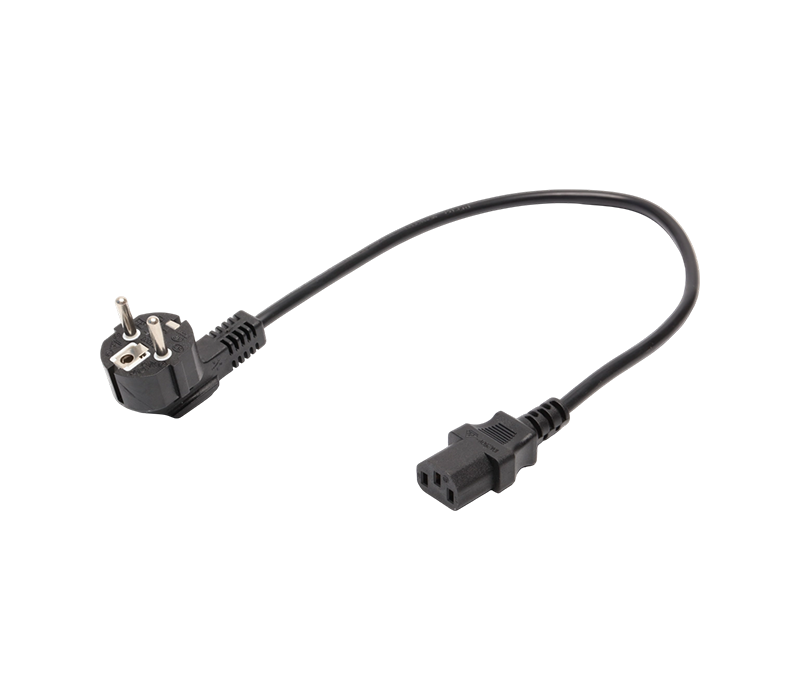
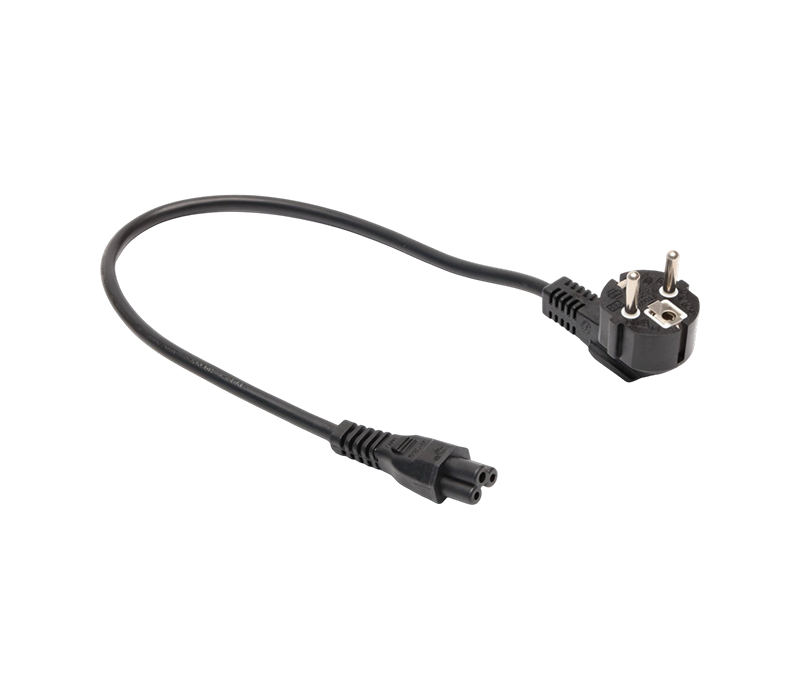
The European Standard Plug is widely used in household and commercial electrical appliances across many European countries. When discussing whether it is a detachable plug or a one-piece injection molded structure, it is important to understand that both structural forms exist in the market. The selection depends on application requirements, safety regulations, manufacturing cost considerations, and end-user preferences. Each structure has its own mechanical characteristics, assembly process, and maintenance implications.
In practical manufacturing, the detachable type usually consists of a plug housing assembled with screws or snap-fit components, allowing access to internal terminals. In contrast, the one-piece injection molded structure encapsulates the internal conductor connections within molded insulation material, forming a sealed and integrated unit. The difference between these two approaches affects not only installation flexibility but also production workflow and long-term reliability.
Characteristics of Detachable European Standard Plugs
Detachable plugs are designed to allow disassembly for wiring, inspection, or replacement. The internal structure typically includes metal pins, screw terminals, strain relief components, and a plastic shell assembled after cable connection. This design is often preferred in situations where cables need to be customized on site or replaced due to damage. Electricians can connect conductors to the terminals using screws and then close the housing securely.
One advantage of detachable plugs is their adaptability. They can be paired with different cable specifications depending on current rating and application scenario. For example, industrial equipment or high-power appliances may require thicker conductors. The detachable structure accommodates these needs without redesigning the plug body.
However, detachable plugs rely heavily on proper assembly. Incorrect torque on terminal screws or insufficient strain relief installation may affect electrical safety. Therefore, user skill and compliance with installation standards are critical when using this type of structure.
Characteristics of One-Piece Injection Molded Plugs
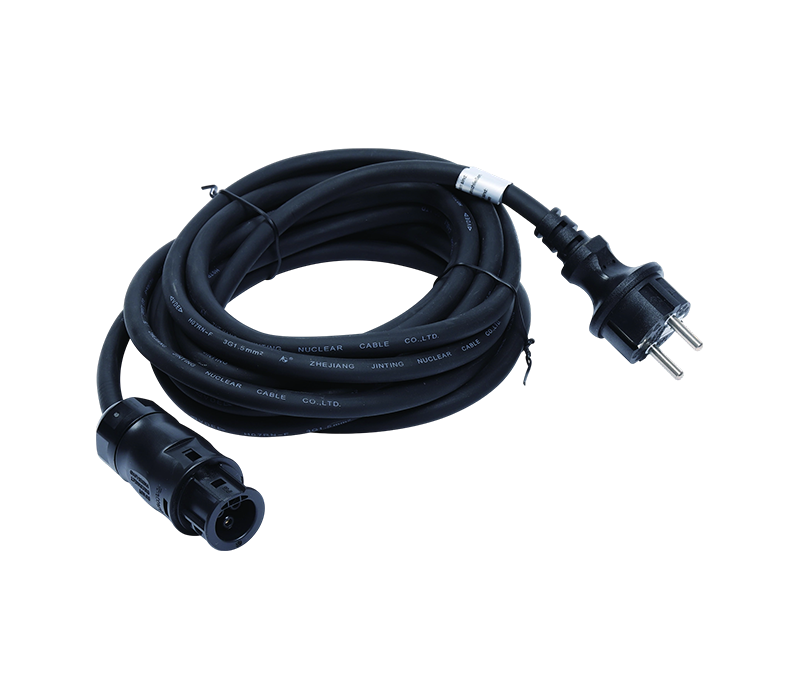
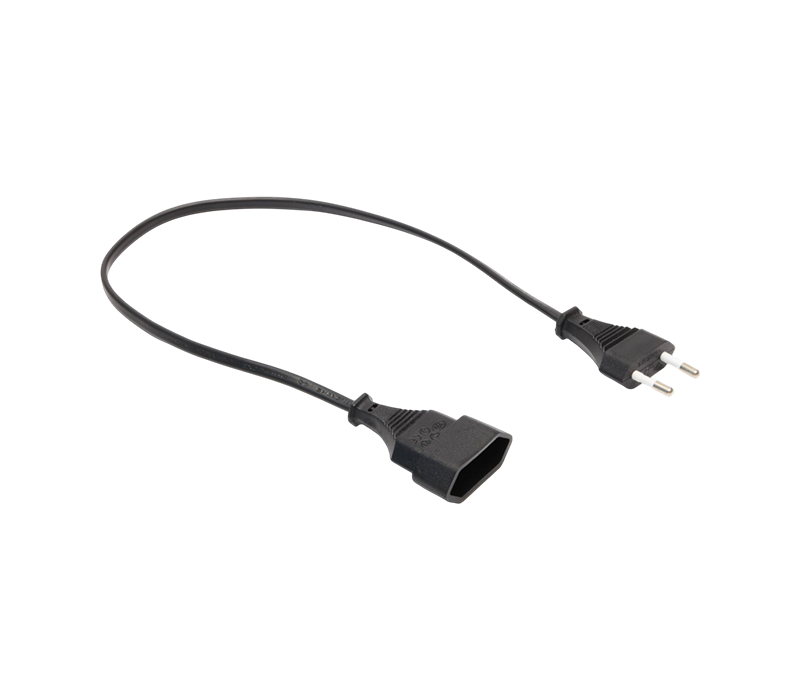
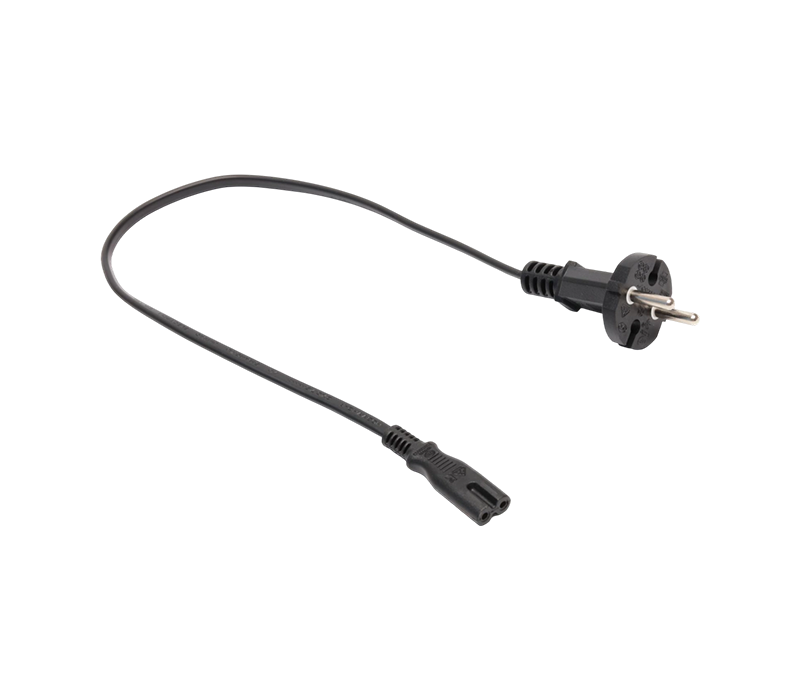
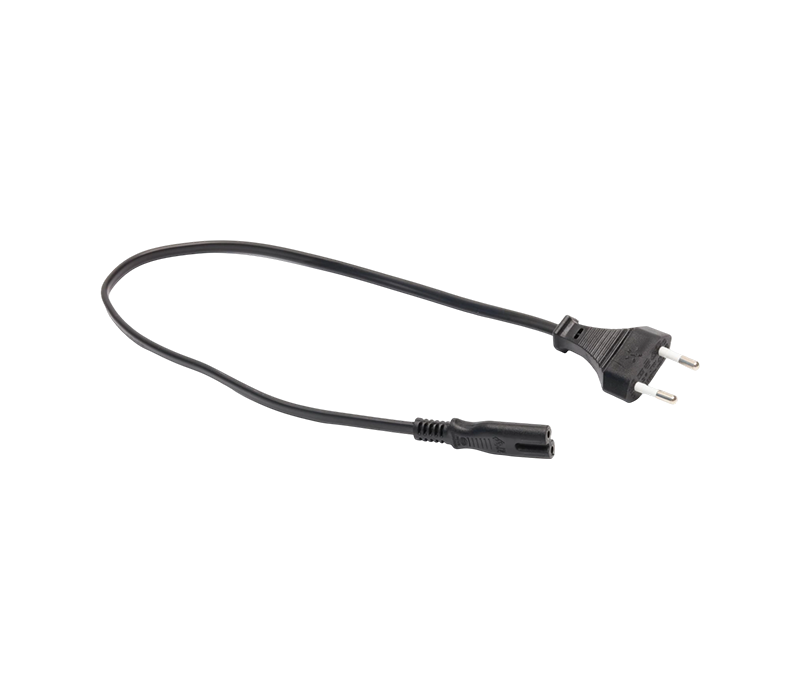
The one-piece injection molded European Standard Plug integrates the cable and plug body through a molding process. During production, conductors are connected to metal pins through crimping or welding, and then the entire assembly is encapsulated with insulating plastic material. This process forms a sealed, unified structure without external screws or removable parts.
The injection molding technique enhances insulation coverage and reduces the risk of accidental contact with live components. Since the cable is permanently fixed inside the molded body, the connection between conductor and pin remains stable throughout the service life under normal operating conditions. The manufacturing process is typically automated, ensuring consistency in mass production environments.
On the other hand, once the cable is damaged, the molded plug cannot be opened for repair. Replacement of the entire cord set is usually required. This characteristic influences maintenance cost considerations in certain applications.
Comparison of Mechanical and Electrical Performance
The structural difference between detachable and molded plugs results in variations in mechanical durability, sealing performance, and resistance to external stress. The molded type generally demonstrates stronger strain relief because the cable sheath is embedded within the plastic body. The detachable type relies on internal clamping mechanisms that must be installed correctly to function effectively.
| Aspect | Detachable Plug | Injection Molded Plug |
| Assembly Method | Manual or semi-automatic assembly | Automated molding process |
| Maintenance | Repairable and rewireable | Non-repairable, replace as unit |
| Strain Relief | Mechanical clamp structure | Integrated molded anchoring |
| Insulation Integrity | Depends on assembly quality | Encapsulated insulation layer |
Electrically, both types can meet relevant European safety standards when properly manufactured and certified. Contact resistance, insulation resistance, and dielectric strength depend more on material selection and production control than on the structural category itself.
Manufacturing Considerations and Cost Factors
From a production perspective, detachable plugs require separate components such as housings, screws, terminals, and strain relief parts. Assembly involves multiple steps including cable stripping, terminal fastening, and enclosure closing. This process may require skilled labor and quality inspection at each stage.
Injection molded plugs require investment in molding equipment and tooling. Once the mold is developed, large-scale production can achieve high output efficiency with consistent structural integrity. Material selection for the molded body must comply with flame retardancy and mechanical strength requirements. Although initial tooling cost may be higher, unit production cost can be optimized in mass manufacturing scenarios.
Compliance with European Safety Standards
European Standard Plugs must comply with relevant safety directives and harmonized standards, including requirements related to insulation, temperature rise, contact pressure, and mechanical strength. Whether detachable or molded, the product must pass type testing and certification before entering the market.
Testing typically includes plug insertion and withdrawal force measurement, resistance to heat, impact resistance, and pull-out force of the cable. The molded structure often demonstrates stable results in pull-out tests due to its integrated strain relief, while detachable designs depend on internal clamping performance.
Application Scenarios and Market Preferences
In household appliances such as kitchen equipment, lamps, and small electronic devices, the injection molded European Standard Plug is commonly used because of its compact design and reliable factory-assembled structure. Manufacturers prefer this type for standardized products distributed in large volumes.
In contrast, detachable plugs are more frequently found in extension cords, temporary installations, or professional environments where cable replacement or length adjustment is required. Installers appreciate the flexibility of customizing the cord to suit site-specific conditions.
Environmental and Durability Considerations
The durability of the plug depends on material selection, mechanical stress exposure, and environmental conditions. Molded plugs offer sealed protection against dust and minor moisture exposure, although they are not designed for immersion unless specifically rated. Detachable plugs may allow easier recycling of individual components, but their assembly complexity can affect lifecycle management.
Both structural forms can be manufactured using recyclable thermoplastic materials, provided that they meet electrical insulation and flame resistance standards. Long-term performance is influenced by factors such as repeated insertion cycles, bending stress near the cable entry, and exposure to elevated temperatures.
Design Flexibility and Customization
Design flexibility differs between the two types. Detachable plugs allow customization of cable length, conductor cross-section, and replacement without altering the plug body mold. Injection molded plugs, while less adaptable after production, can be designed in various shapes and colors during the mold development stage to meet branding or ergonomic requirements.
The decision between detachable and one-piece injection molded European Standard Plug structures ultimately depends on application purpose, production scale, safety considerations, and maintenance expectations. Both designs remain widely used across European electrical systems, each fulfilling distinct functional and operational needs.
Latest News

Contact Us
LET'S START COLLABORATING
 Ningbo TOP Electromechanical Co., Ltd.
specializes in the R&D and manufacturing of
wires & cables, plugs & sockets, waterproof LED connectors, and more. Ourproducts
meet multiple international certifications and are widely used in global markets.
Ningbo TOP Electromechanical Co., Ltd.
specializes in the R&D and manufacturing of
wires & cables, plugs & sockets, waterproof LED connectors, and more. Ourproducts
meet multiple international certifications and are widely used in global markets.
STAY CONNECTED
 Phone:+86-13586690829
Tel:+86-0574-62135837-801
 [email protected]
[email protected]
 Sibei Industrial Yuyao City, Ningbo, Zhejiang, China
MOBILE
Copyright © Ningbo TOP Electromechanical Co., Ltd. All Rights
Reserved
 Custom Electrical Power Cord Manufacturers