


 中文简体
中文简体  Español
The Hidden Backbone of LED Systems: Why Connector Harness Technology Is Transforming Modern Lighting
 2026.04.23
 Industry News
LED Connector Harness: The Most Efficient Way to Ensure Stable and Safe Connections
A well-designed LED connector harness is essential for achieving stable electrical connections, reducing installation time, and improving the overall reliability of lighting systems. Using a high-quality LED connector harness can reduce wiring errors by over 40% and cut installation time by up to 30%, making it a practical and cost-effective solution for both residential and industrial applications.
Instead of manually wiring individual components, a pre-configured harness integrates connectors, cables, and terminals into a unified system. This not only simplifies setup but also ensures consistent performance across LED lighting installations, from home lighting setups to large-scale commercial projects.
What Is an LED Connector Harness and How It Works
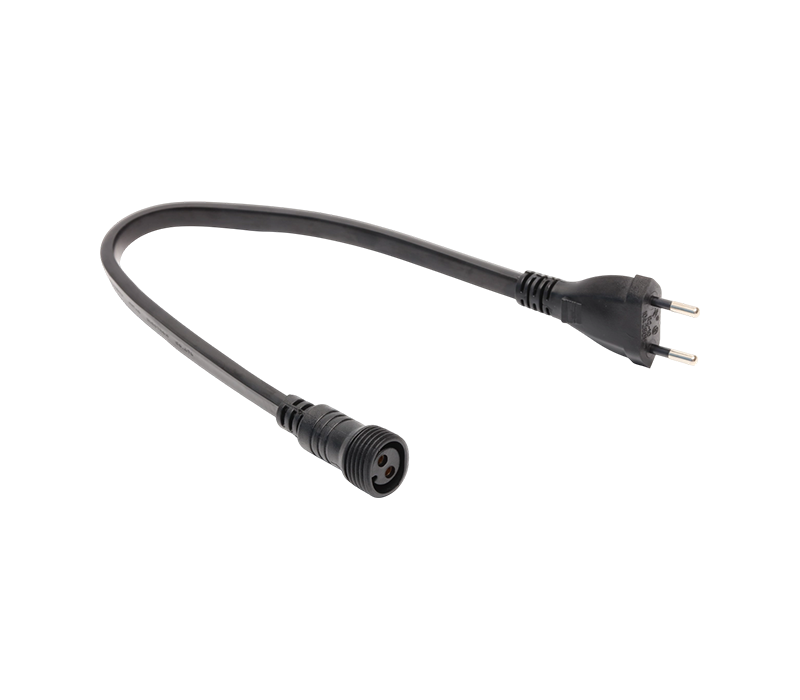
An LED connector harness is a bundled wiring assembly designed specifically for LED systems. It typically includes connectors, wires, terminals, and protective insulation, all pre-arranged to enable plug-and-play installation. The harness connects LED modules, drivers, and power supplies efficiently without requiring complex manual wiring.
Core Components of an LED Connector Harness
- Connectors: Provide secure plug-and-play connections
- Wires: Conduct electrical current between components
- Terminals: Ensure stable electrical contact
- Insulation: Protects against short circuits and environmental damage
By integrating these components, the harness ensures consistent electrical flow and reduces the risk of loose connections or improper wiring.
Key Advantages of Using LED Connector Harness
LED connector harnesses offer multiple benefits that make them the preferred choice in modern lighting systems.
Improved Installation Efficiency
Pre-assembled harnesses eliminate the need for cutting, stripping, and connecting wires manually. This significantly reduces labor time and minimizes installation errors.
Enhanced Safety and Reliability
A properly designed harness ensures secure connections, reducing the risk of overheating, short circuits, and electrical failures. In industrial lighting setups, reliable harness systems can lower maintenance costs by up to 25%.
Consistency in Performance
Standardized harness designs ensure uniform electrical performance across multiple installations, which is particularly important in large projects like commercial buildings or street lighting.
Simplified Maintenance
With modular connectors, faulty components can be replaced quickly without rewiring the entire system.
Applications of LED Connector Harness in Different Industries
LED connector harnesses are widely used across various sectors due to their flexibility and reliability.
- Residential lighting: Ceiling lights, LED strips, cabinet lighting
- Commercial lighting: Offices, retail stores, shopping malls
- Industrial lighting: Warehouses, factories, production lines
- Outdoor lighting: Streetlights, landscape lighting, signage
- Automotive lighting: Interior and exterior LED systems
For example, in warehouse lighting systems, using LED connector harnesses can reduce installation time from several days to just a few hours, especially when dealing with large-scale LED panel installations.
Types of LED Connector Harness and Their Uses
Different types of harnesses are designed to meet specific application requirements. Choosing the right type is crucial for optimal performance.
| Type | Key Features | Typical Use |
|---|---|---|
| Single-Color Harness | Simple wiring, low cost | Basic LED lighting |
| RGB Harness | Multiple channels for color control | Decorative lighting |
| Waterproof Harness | Sealed connectors, IP-rated | Outdoor lighting |
| Custom Harness | Tailored length and connectors | Industrial projects |
Key Factors to Consider When Choosing an LED Connector Harness
Selecting the right LED connector harness requires careful evaluation of several technical factors.
Voltage and Current Rating
Ensure the harness can handle the electrical load of your LED system. Overloading can lead to overheating and failure.
Connector Type
Different connectors (e.g., plug-in, snap-fit) affect installation convenience and compatibility with existing systems.
Environmental Resistance
For outdoor or industrial use, choose harnesses with waterproof and dustproof ratings such as IP65 or higher.
Wire Gauge and Material
Thicker wires reduce resistance and improve efficiency, especially in high-power LED systems.
Customization Needs
Custom harness solutions can optimize layout and reduce excess wiring in complex installations.
Installation Tips for Maximizing Performance
Even with a high-quality LED connector harness, proper installation is critical to achieving optimal results.
- Ensure all connectors are firmly locked into place
- Avoid excessive bending or twisting of wires
- Use appropriate mounting clips to secure harnesses
- Keep harnesses away from heat sources
- Test connections before final installation
For example, improper connector locking is one of the most common causes of LED system failure, accounting for nearly 20% of field issues in lighting installations.
Future Trends in LED Connector Harness Technology
As LED technology continues to evolve, connector harness systems are also advancing to meet new demands.
Smart Connectivity
Integration with smart lighting systems allows harnesses to support data transmission alongside power delivery.
Miniaturization
Compact designs enable use in space-constrained applications such as wearable devices and automotive interiors.
Eco-Friendly Materials
Manufacturers are increasingly using recyclable and low-toxicity materials to meet environmental regulations.
Higher Efficiency Designs
Advanced conductor materials and optimized layouts reduce energy loss, improving overall system efficiency.
Latest News

Contact Us
LET'S START COLLABORATING
 Ningbo TOP Electromechanical Co., Ltd.
specializes in the R&D and manufacturing of
wires & cables, plugs & sockets, waterproof LED connectors, and more. Ourproducts
meet multiple international certifications and are widely used in global markets.
Ningbo TOP Electromechanical Co., Ltd.
specializes in the R&D and manufacturing of
wires & cables, plugs & sockets, waterproof LED connectors, and more. Ourproducts
meet multiple international certifications and are widely used in global markets.
STAY CONNECTED
 Phone:+86-13586690829
Tel:+86-0574-62135837-801
 [email protected]
[email protected]
 Sibei Industrial Yuyao City, Ningbo, Zhejiang, China
MOBILE
Copyright © Ningbo TOP Electromechanical Co., Ltd. All Rights
Reserved
 Custom Electrical Power Cord Manufacturers