


 中文简体
中文简体  Español
Revolutionizing Power Delivery: Safe and Smart Electrical Cords for Modern Applications
 2026.04.29
 Industry News
Understanding Electrical Power Cords
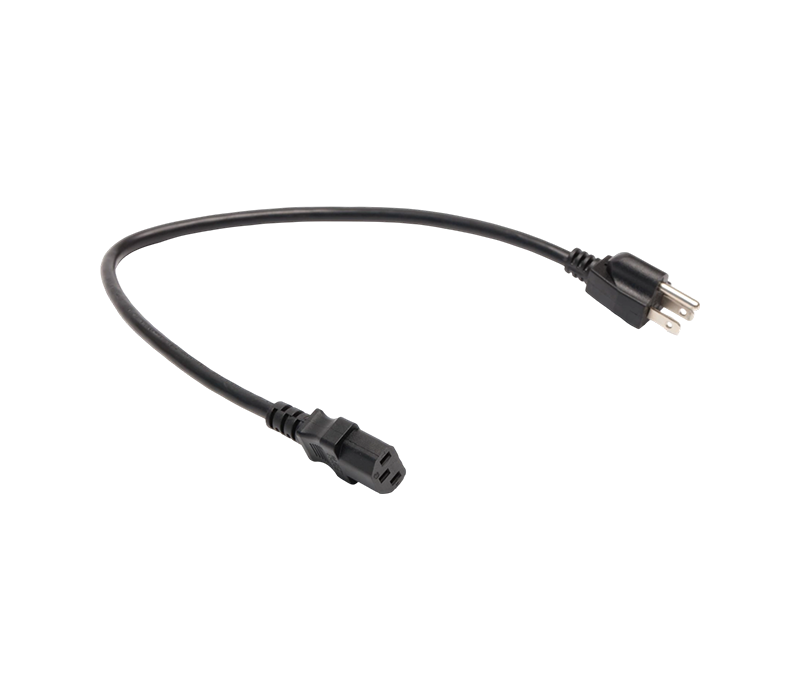
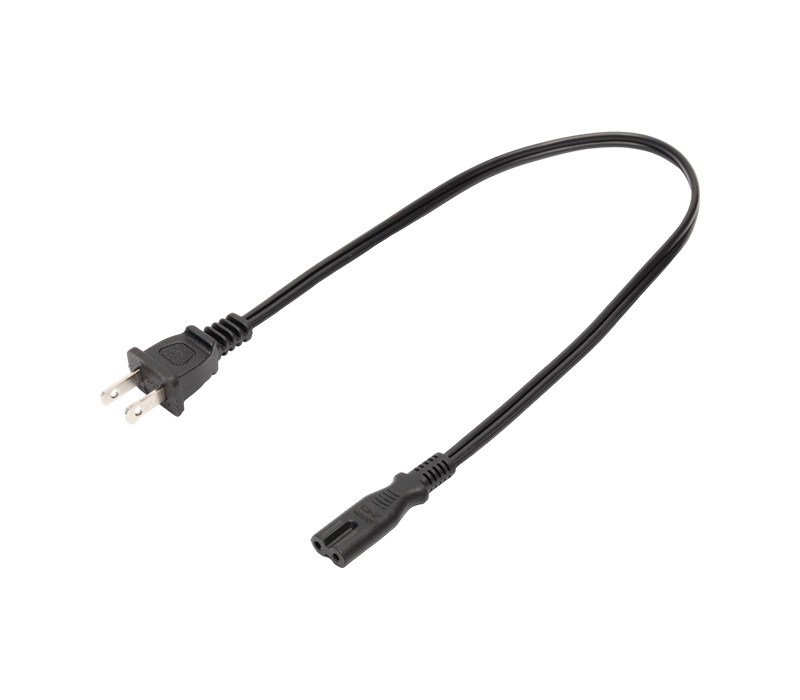
Electrical power cords are the lifeline for transmitting electricity from outlets to devices. They are essential in homes, offices, and industrial setups for safe and efficient power delivery.
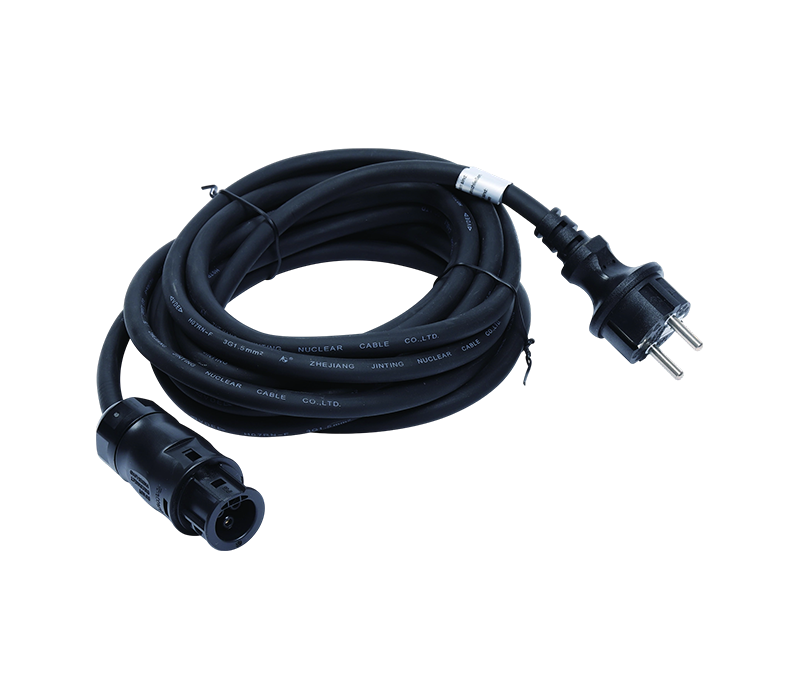
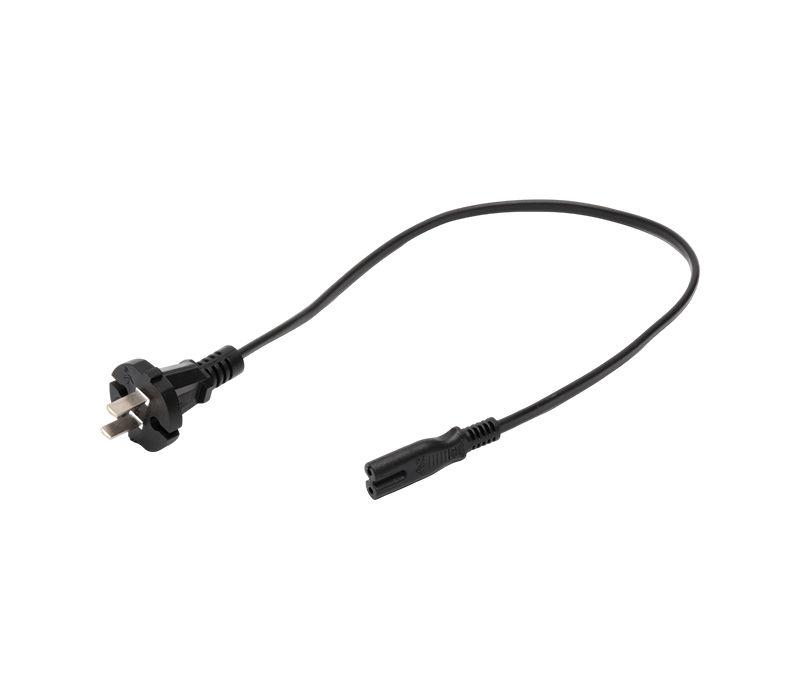
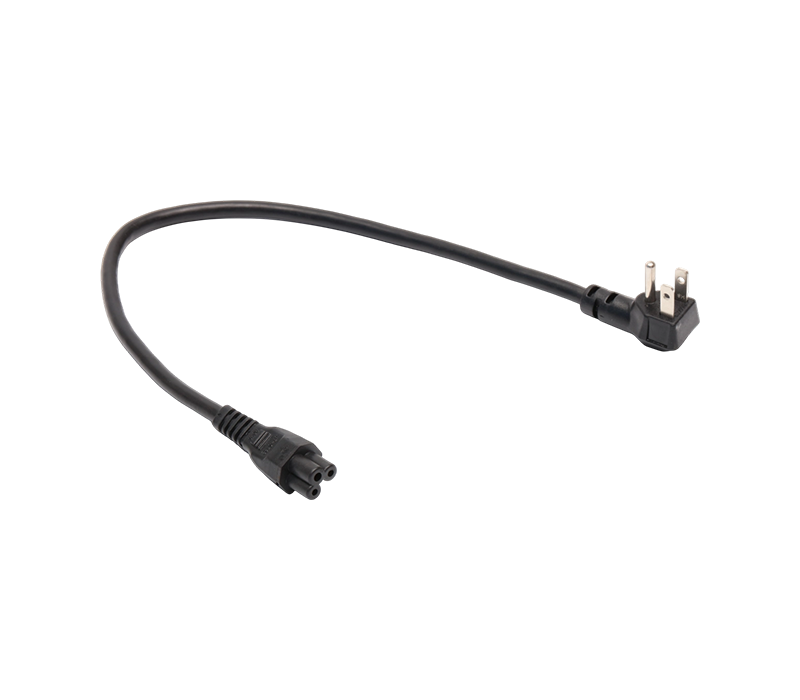
A typical power cord consists of insulated conductors, a plug, and sometimes a connector for specific devices. The quality of the cord directly impacts safety, durability, and energy efficiency.
Types of Electrical Power Cords
Electrical power cords come in various forms to suit different devices and power requirements. Choosing the right type is crucial to prevent hazards or equipment damage.
1. Standard Household Power Cords
These cords are commonly used for appliances, computers, and lamps. They are usually rated for 10A–15A and include grounding for safety.
2. Industrial Power Cords
Industrial cords handle higher currents and harsher environments. They are often reinforced with thicker insulation and protective jackets to withstand oil, heat, and abrasion.
3. Extension Power Cords
These cords allow temporary power relocation. Important: Use only cords rated for the intended current and length to prevent voltage drops and overheating.
4. Specialty Cords
Specialty cords include medical-grade, outdoor, and low-smoke zero-halogen (LSZH) cables. These are designed for specific regulatory requirements and environmental conditions.
Key Specifications and Ratings
Understanding cord specifications ensures safety and performance. Key factors include voltage rating, amperage, conductor gauge, and insulation type.
| Cord Type | Voltage Rating | Current Rating | Typical Use |
|---|---|---|---|
| Household | 125V | 10–15A | Appliances, lamps, computers |
| Industrial | 250V | 20–50A | Machinery, construction tools |
| Outdoor/Extension | 125V–250V | 10–30A | Gardening, temporary setups |
Safety Guidelines for Electrical Power Cords
Using power cords improperly can cause fires, shocks, or equipment damage. Following these best practices ensures safety:
- Never overload a cord beyond its rated current.
- Inspect cords regularly for cuts, frays, or exposed wires.
- Use cords with proper grounding for all metal appliances.
- Avoid running cords under rugs or heavy furniture that can cause overheating.
- Keep cords away from moisture and high-heat sources.
Tip: Using high-quality cords with UL or CE certifications reduces risks of failure and fire hazards.
Material and Construction Considerations
Electrical cords are made from copper, aluminum, or tinned copper conductors. Copper is preferred for its conductivity and durability.
Insulation Types
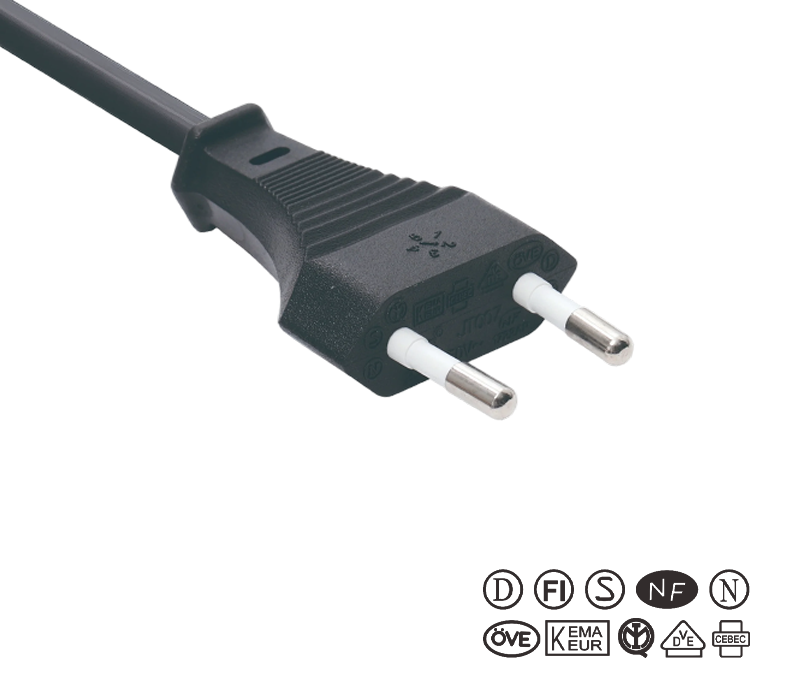
Insulation prevents short circuits and electrical shocks. Common materials include PVC, rubber, and thermoplastic elastomers. Outdoor cords often feature thicker, UV-resistant jackets.
Plug and Connector Quality
Plugs with sturdy pins and molded bodies reduce the risk of sparking and loosening. For industrial cords, locking connectors prevent accidental disconnections under load.
Maintenance and Longevity Tips
Regular maintenance extends the life of power cords and keeps them safe. Here are actionable tips:
- Avoid coiling cords tightly; use loose loops to prevent internal wire breakage.
- Clean cords with a dry cloth to remove dust and moisture.
- Store cords in a cool, dry place away from direct sunlight.
- Replace cords immediately if they show wear, burns, or exposed conductors.
Choosing the Right Power Cord for Your Application
Selecting a cord involves matching voltage, current rating, length, and environmental conditions. Example: A 15A, 125V appliance requires at least a 14 AWG cord for lengths up to 50 feet; longer lengths need thicker conductors to prevent voltage drop.
For outdoor or industrial applications, always use cords rated for the specific environment, including water resistance, oil resistance, or extreme temperatures.
Emerging Trends in Electrical Power Cords
Modern power cords are evolving to include smart features such as USB integration, surge protection, and energy monitoring. These advancements increase convenience while maintaining safety standards.
Manufacturers are also introducing eco-friendly materials and low-smoke, halogen-free insulation to reduce environmental impact in industrial and public spaces.
Latest News

Contact Us
LET'S START COLLABORATING
 Ningbo TOP Electromechanical Co., Ltd.
specializes in the R&D and manufacturing of
wires & cables, plugs & sockets, waterproof LED connectors, and more. Ourproducts
meet multiple international certifications and are widely used in global markets.
Ningbo TOP Electromechanical Co., Ltd.
specializes in the R&D and manufacturing of
wires & cables, plugs & sockets, waterproof LED connectors, and more. Ourproducts
meet multiple international certifications and are widely used in global markets.
STAY CONNECTED
 Phone:+86-13586690829
Tel:+86-0574-62135837-801
 [email protected]
[email protected]
 Sibei Industrial Yuyao City, Ningbo, Zhejiang, China
MOBILE
Copyright © Ningbo TOP Electromechanical Co., Ltd. All Rights
Reserved
 Custom Electrical Power Cord Manufacturers