


 中文简体
中文简体  Español
LED Splitter Box: How to Distribute Power to Multiple LED Strips Safely
 2026.10.01
 Industry News
Picture this: you are installing under-cabinet lighting in a modern kitchen. You have a single 24V LED driver tucked away inside a cabinet, but you need to power six separate LED strips running along different countertops. Individually wiring each strip back to the driver would create a chaotic mess of loose cables, exposed terminals, and potential failure points. This is precisely the problem an LED splitter box was designed to solve.
In short, an LED splitter box takes the output from one power source and safely distributes it to multiple LED circuits. Instead of relying on fragile wire nuts or bulky, unprotected junction blocks, you get a clean, enclosed hub that keeps your installation organized, safe, and simple to maintain. For lighting installers, electrical engineers, and facility managers, this single component often makes the difference between a professional job and a warranty nightmare.
What Exactly Is an LED Splitter Box?
An LED splitter box—also referred to as a LED distribution box or wiring junction hub—is an electrical accessory that sits between your LED power supply and your LED strips or fixtures. It provides a centralized point where one input connection is divided into multiple output channels. These boxes are commonly manufactured with rigid plastic housings and screw terminals or plug-in connectors to ensure secure, stable electrical connections.
Unlike a simple Y-splitter cable, a multi-way splitter box is designed to handle higher total current and organize complex wiring layouts. Most units support anywhere from 3 to 12 separate output channels, allowing precisely matched configurations for almost any project size. When youre planning a large installation, using a structured distribution hub reduces the clutter that usually comes with daisy-chaining connectors and minimizes the risk of loose connections over time.
There are two primary categories of LED splitter boxes:
- Low Voltage (LV): Used with 12V or 24V DC systems, commonly found in strip lights, cabinet lights, and signage.
- High Voltage (HV): Used with 110V–240V AC mains input, typically for commercial fixtures, channel letters, and architectural lighting where drivers are integrated into the light engine.
At their core, these boxes solve a simple but critical challenge: how to get one source of power to many destinations without overloading wires or creating unsafe electrical joints.
Why Use a Splitter Box Instead of Manual Wire Connections?
I have seen many DIY installations where installers try to save time by simply twisting wires together and wrapping them in electrical tape. While that might work temporarily, it creates serious long-term risks. A dedicated LED splitter box provides several crucial advantages that directly impact the safety and durability of your lighting setup.
First, it isolates and protects the electrical connections. Moisture, dust, and physical strain are the main enemies of exposed wiring. By placing all connections inside a single rated housing, you prevent accidental short circuits and reduce the chance of a fire hazard caused by loose contacts overheating.
Second, it makes maintenance much easier. When a specific LED section fails, you can simply open the box, identify the channel, and disconnect that single circuit without disturbing the rest of the installation. Trying to trace individual wires through a bundle of electrical tape can turn a five-minute repair into an hour-long guessing game.
Third, it improves the overall aesthetics of your project. A neatly installed splitter box mounted inside a cabinet or above a ceiling panel looks far more professional than a nest of exposed wires. This is especially important in commercial environments, such as retail stores or hospitality venues, where lighting quality and presentation go hand in hand.
Finally, a properly rated splitter box ensures compliance with electrical safety standards. When you source your components from a reputable manufacturer that follows accepted international norms, you gain confidence that the product will handle its rated current reliably over the long term.
Typical LED Splitter Box Configurations
To help you visualize the different layouts, here is a breakdown of common splitter configurations and their ideal applications:
| Configuration | Input Source | Output Channels | Common Use Cases |
|---|---|---|---|
| 1-in, 3-out | 12/24V DC or AC Mains | 3 channels | Residential under-cabinet lighting, small display shelves |
| 1-in, 4-out | 12/24V DC or AC Mains | 4 channels | Modular furniture lighting, cove lighting |
| 1-in, 6-out | 12/24V DC or AC Mains | 6 channels | Retail display cases, larger kitchen installations |
| 1-in, 9-out | 12/24V DC or AC Mains | 9 channels | Architectural lighting, office ceiling grids |
| 1-in, 12-out | 12/24V DC or AC Mains | 12 channels | Large signage, perimeter lighting, exhibition booths |
When selecting a box, remember that it is often better to choose one with a few spare channels. Upgrading an installation later becomes significantly easier when you already have the extra capacity built in.
High Voltage vs. Low Voltage: Which Splitter Box Do You Need?
One of the most common mistakes I see in the field is choosing the wrong voltage class. This mistake can damage expensive LED modules or, worse, create an unsafe work environment. The choice between an LV and an HV splitter box is dictated by the type of system you are building.
Low Voltage (LV) Splitter Boxes
Low voltage splitters are used in 12V or 24V DC systems. These are the standard for modern LED strip lights, including the popular single-color and RGBW tape lights. LV systems are considered safer because the voltage is low enough to avoid severe electric shock. They allow for more flexible routing and are ideal for areas where wiring might be touched during maintenance.
In our product lineup, the 6-way low voltage splitter box provides an excellent solution for residential and light commercial installations that need multiple channels from a single 12V or 24V driver. The compact housing fits neatly into cabinet bases or behind TV consoles.
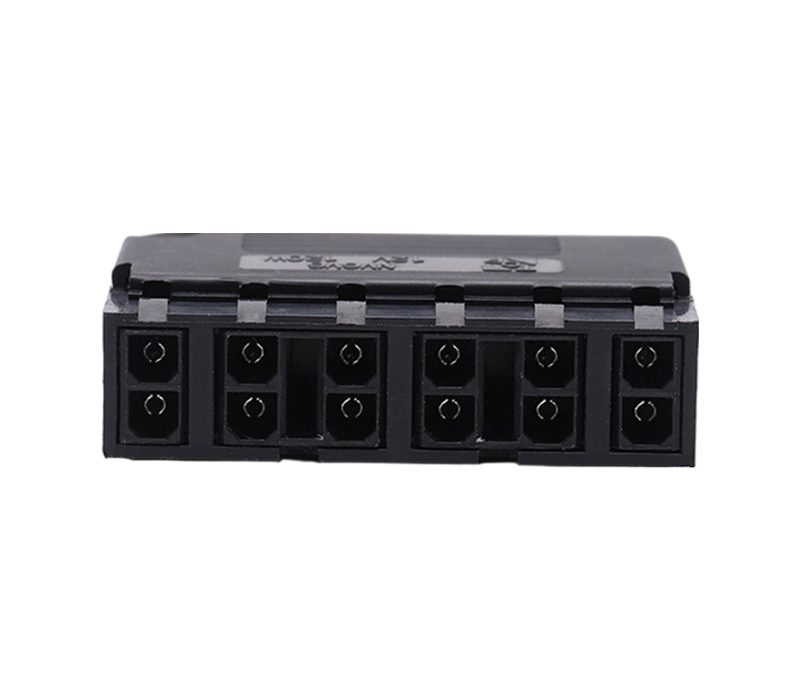 LV6-6WAY 6-Position Low-Voltage Splitter Box, 10A 12V DCThis compact six-way splitter handles high-current low-voltage wiring, suiting residential and light commercial installations. It supports 0.75-1.0mm² cables, offers four or six positions, and is VDE-certified, making it a dependable choice for distributing 12V or 24V power to multiple fixtures.View Product →
High Voltage (HV) Splitter Boxes
High voltage splitter boxes are designed for 110V–240V AC applications. These are typically used in commercial signage, architectural lighting, and other heavy-duty environments. HV boxes must meet stricter insulation and spacing requirements to safely handle mains voltage.
If you are working on a channel letter sign or a large-format ceiling fixture with integrated drivers, an HV unit like our 6-way high voltage splitter box is built specifically for that task. It allows one incoming mains line to feed multiple fixtures while maintaining full safety compliance.
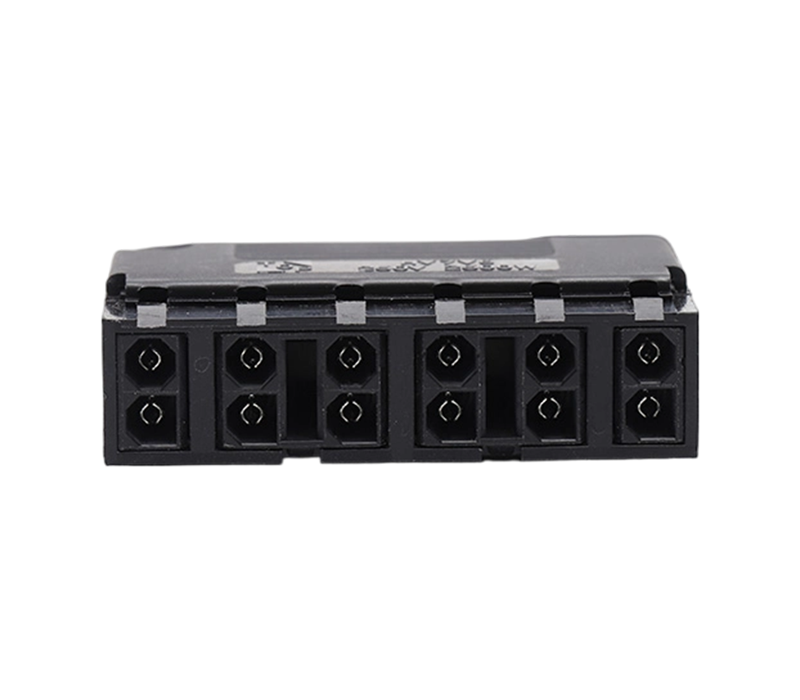 HV-6WAY 6-Position High-Voltage Splitter Box, 7A 250V ACRated for mains voltage, this six-way high-voltage splitter enables one incoming line to feed multiple channel letters or large ceiling fixtures. It handles 0.75-1.0mm² cables, has four or six positions, and carries VDE certification for safe, compliant power distribution in demanding installations.View Product →
How to Choose the Right LED Splitter Box for Your Project
Selecting the right splitter box does not need to be complicated. Follow these five practical steps to match the correct product to your lighting system.
- Determine your system voltage. Check the label on your LED driver or transformer. If it outputs 12V or 24V DC, you need an LV splitter box. If it connects directly to mains power, you need an HV model.
- Count the number of separate LED runs. Count how many individual light strips or fixtures you plan to power. Then select a splitter box with that number of output channels—or one with additional channels for future expansion.
- Calculate the total current draw. Add up the wattage of all connected LEDs. Divide the total wattage by the system voltage to find the total current in amps. Ensure that the splitter box current rating and your power supply output rating exceed this value by a safety margin of at least 20%.
- Consider the connection method. Some splitter boxes use screw terminals, while others use plug-in connectors. Screw terminals offer flexibility for custom wire lengths. Plug-in connectors make installation faster if you are using pre-made cables.
- Look for trusted manufacturing standards. Purchase from a manufacturer with a demonstrated commitment to quality control and international electrical standards. A reliable supplier will clearly state voltage ratings, current limits, and approved certifications for each model.
Getting these decisions right from the beginning saves you from the frustration of flickering lights, overloaded drivers, or premature LED failure.
Common Installation Mistakes to Avoid
Even with the right splitter box, small errors during installation can undermine your lighting project. I have compiled four of the most frequent mistakes to help you avoid them.
- Overloading the power supply. Do not assume your driver can handle the total wattage of all strips connected through the splitter box. Check the specifications and keep a 20% buffer to avoid overheating and voltage drop.
- Reversing polarity on DC systems. For 12V or 24V systems, connecting the positive and negative wires to the wrong terminals can instantly damage the LEDs. Always mark your input and output wires clearly before tightening the terminals.
- Using mismatched connectors. Some LED strip systems use 2-pin connectors, while RGB or RGBW systems use 4-pin or 5-pin connectors. Verify compatibility before forcing a connector into the splitter terminal block.
- Choosing undersized wire. Long cable runs combined with thin wire gauge can result in substantial voltage drop, causing the LEDs at the far end of the run to look visibly dimmer. Use 18 AWG or thicker wire for longer distances.
By paying attention to these details, you ensure that the system performs reliably for years rather than becoming a recurring maintenance headache.
Why Buying from a Specialized Manufacturer Makes a Difference
When youre sourcing components for a commercial lighting project, price is certainly a factor. But the true cost of a cheap, poorly made splitter box includes diagnostic time, failed installations, and potential safety liabilities. This is why working with a manufacturer that specializes in electrical connections offers substantial long-term value.
Ningbo TOP Electromechanical Co., Ltd. is a manufacturing company focused on the research, development, and production of electrical and electronic products. Their portfolio includes power cords, plugs, LED connectors, wiring harnesses, and, of course, LED splitter boxes. Because they operate their own factory, they exercise direct control over materials selection, assembly quality, and testing processes. They serve both domestic and international clients, producing units that meet strict national and international standards.
For a standard installation, a reliable 3-way splitter box often represents the simplest and most versatile choice. It gives you room to power a primary run plus two additional branches, which covers a wide range of common residential and small commercial setups.
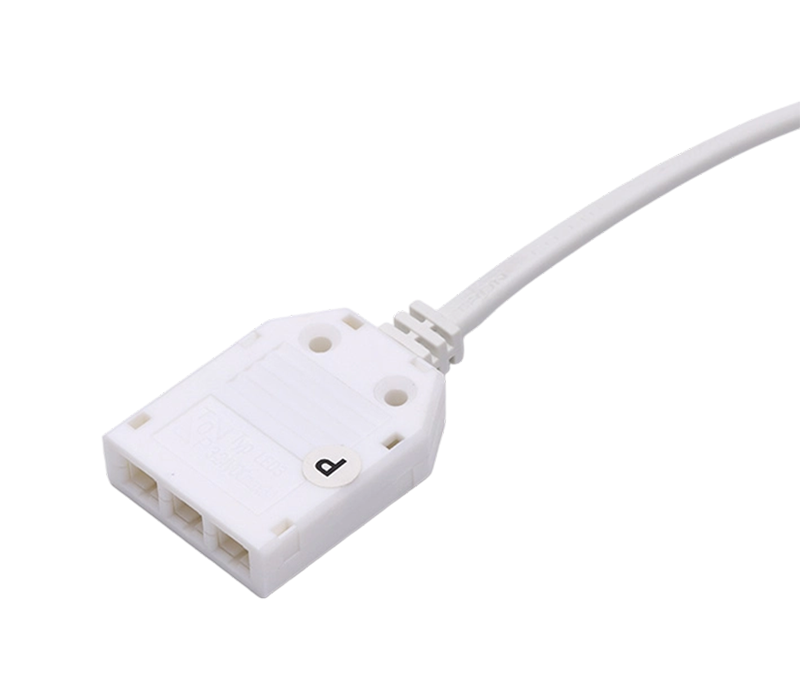 806-3WAY Splitter Box for 12-48V DC, 3-9 PositionsA versatile three-way splitter that accepts 0.13-0.75mm² wires with series or parallel connections. Rated 3A/5A/7A at 12-48V DC, it suits smart-home and small electronic setups, giving flexible routing from one source to three outputs while keeping installation simple.View Product →
Choosing a manufacturer that also specializes in related connection products is beneficial because it means the parts are designed to work as a cohesive system. You can pair your splitter boxes with matching LED connectors, extension leads, and power cords from the same supplier. This reduces compatibility issues and simplifies your procurement process, especially if your project requires customized cable lengths or specific connector types.
If you are an installer or an OEM buyer looking for volume pricing, sourcing directly from a factory enables better customization and consistent supply. Many engineers prefer reviewing the full line of LED splitter box options to see exactly how they can be integrated into a wiring schematic.
Final Thoughts on Using an LED Splitter Box
An LED splitter box is more than just a convenient wiring accessory. It is a fundamental component that ensures the safety, reliability, and cleanliness of multi-way lighting installations. Whether you are working with a 12V strip light setup at home or a high-voltage architectural project, choosing the correct splitter box eliminates unnecessary wiring complexity and protects your investment.
To ensure long-term performance, focus your decision on the basics: system voltage, number of output channels, total current handling, and connection type. Ignoring these parameters is the quickest way to create a problematic installation.
If you are ready to spec a reliable solution, review the available LV and HV splitter boxes to match your exact wiring architecture. And if the available options do not perfectly align with your project requirements, contact the manufacturer directly to discuss custom configurations. A good manufacturing partner will help you design a clean, safe power distribution setup that saves both time and money on every project.
Latest News

Contact Us
LET'S START COLLABORATING
 Ningbo TOP Electromechanical Co., Ltd.
specializes in the R&D and manufacturing of
wires & cables, plugs & sockets, waterproof LED connectors, and more. Ourproducts
meet multiple international certifications and are widely used in global markets.
Ningbo TOP Electromechanical Co., Ltd.
specializes in the R&D and manufacturing of
wires & cables, plugs & sockets, waterproof LED connectors, and more. Ourproducts
meet multiple international certifications and are widely used in global markets.
STAY CONNECTED
 Phone:+86-13586690829
Tel:+86-0574-62135837-801
 [email protected]
[email protected]
 Sibei Industrial Yuyao City, Ningbo, Zhejiang, China
MOBILE
Copyright © Ningbo TOP Electromechanical Co., Ltd. All Rights
Reserved
 Custom Electrical Power Cord Manufacturers