


 中文简体
 Español

Electrical Equipment Components: A Practical Guide to Plugs, Connectors & Lighting
 2026.10.29
 Industry News
When a garden string light fails after the first storm, most people blame the bulbs. In reality, the failure usually sits in an electrical equipment component: a connector that let water in, a plug with an undersized current rating, or a cable sleeve that could not handle UV exposure. These small parts decide whether a lighting system works safely for years or becomes a liability in months.
For buyers of power cords, plugs, LED connectors, switches, and LED lighting, the selection of electrical equipment components is not just a technical detail — it is a matter of compliance, durability, and purchase cost. This guide breaks down the component families, the specifications to verify, and the practical choices behind reliable installations.
What Counts as Electrical Equipment Components?
Electrical equipment components cover every discrete part that carries, distributes, controls, or converts electrical energy. In a typical lighting or appliance bill of materials, they fall into four groups: power input, connection and distribution, control, and end-use lighting products.
- Power input
- Standard plugs for different countries
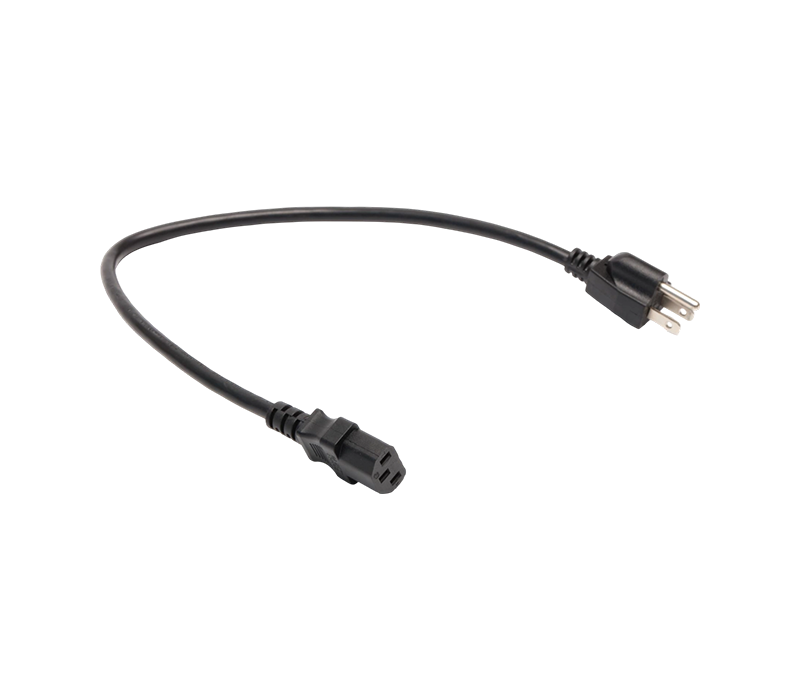
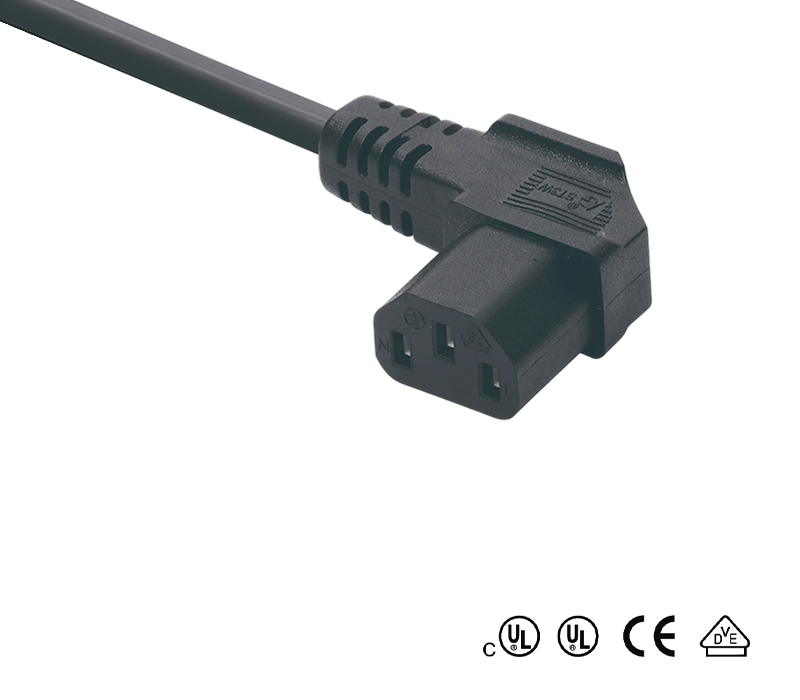
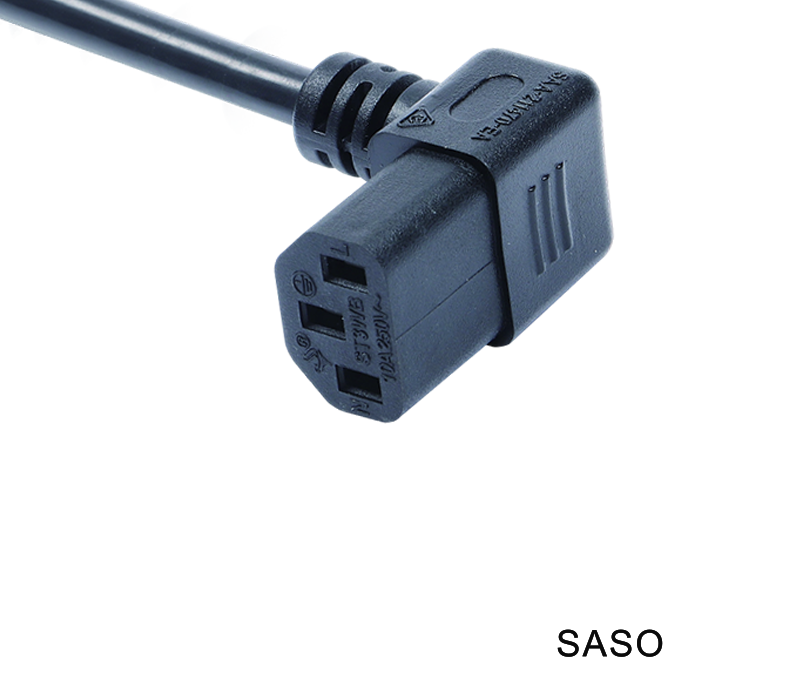
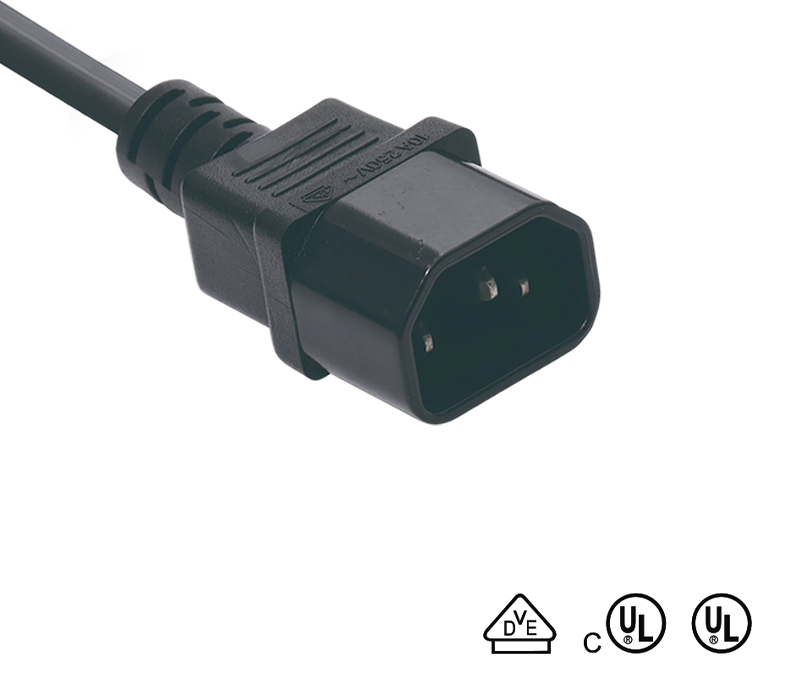
- IEC connectors (C1, C7, C13, C14, C19)
- Power cords and cable assemblies
- Connection and distribution
- LED connector harnesses
- LED splitter boxes
- USB Type-C cables
- Control and protection
- Low-voltage switches
- Touch dimmers and IR sensors
- Fused plugs and resettable protection
- Lighting end products
- String lights
- Cabinet light sets
- Mirror front lights
Understanding which family a component belongs to helps you define the standard it must meet and the environment it must survive. A plug standard, for example, depends on the destination market; a connector's ingress protection depends on whether it will be exposed to rain.
Critical Specifications That Determine Component Performance
Three parameters matter more than anything else when evaluating electrical equipment components: electrical rating, ingress protection, and material quality. They determine whether the component is safe under load, resistant to moisture and dust, and able to handle thermal cycling.
| Component | Electrical ratings | Representative application |
|---|---|---|
| European standard plug | 2.5A / 16A, 250V AC | Home appliances, extension cords |
| US standard plug | 15A / 20A, 125V AC | Consumer electronics, power tools |
| IEC C13/C14 connector | 10A, 250V AC | Computers, power supplies, servers |
| LED connector harness | Low-voltage DC or high-voltage AC; IP67 | Outdoor signage, garden lighting, channel letters |
| LED splitter box | 3 to 12 ways; low/high voltage | Branching LED strips or modules |
| String light | 24V DC or 110–220V AC; IP65/IP67 | Patio, garden, holiday decoration |
An undervalued rating is one of the most common sourcing mistakes. If a 16A plug is used on a 20A branch circuit, the plug body can overheat before the upstream breaker trips. Similarly, an IP20 connector in an IP44-rated luminaire creates an unsealed path where moisture can enter.
Material choice also matters for long service life. Brass pins resist corrosion better than lower-grade alloys; PVC cable jackets suit indoor use, while rubber or polyethylene jackets handle UV exposure and cold temperatures outdoors. Check those details before approving samples.
Matching Components to Real-World Applications
The best way to choose electrical equipment components is to work backward from the installation environment. Outdoor lighting, for example, needs waterproof connectors rated IP65 or IP67, low-voltage wiring to reduce shock risk, and plugs that match the local grid. A Y-shaped IP67 LED connector lets you branch a single supply line to two fixtures without junction boxes, which saves installation time and keeps moisture out.
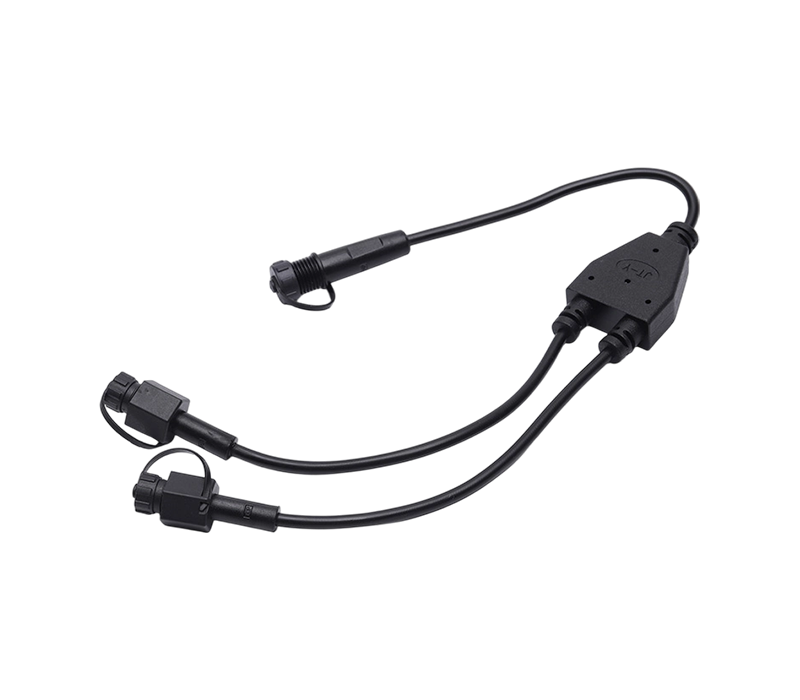 IP67 Y-Shaped Waterproof LED Connector for Outdoor BranchingThis Y-shaped IP67 connector splits one supply line into two fixtures without junction boxes, saving installation time and keeping moisture out, as noted in the surrounding context.View Product →
Export products create a second set of requirements. A lamp shipped to Germany needs a European standard plug; the same lamp shipped to the United States needs a 15A 125V two- or three-pin plug. Instead of redesigning the whole circuit, manufacturers often use interchangeable cord sets and IEC connectors to adapt one appliance to multiple markets.
Ingress protection requirements by location
Indoor lighting applications, such as cabinet lights and mirror front lights, are simpler but still need proper low-voltage switching. A 12V DC cabinet light with a foot switch avoids the need for an electrician in many retrofit projects, while a mirrored front light with a built-in dimmer gives users control over brightness without adding separate wall switches.
How Component Quality Affects Safety, Compliance, and Total Cost
Certification is the fastest way to separate a reliable component from a cheap imitation. Plugs and connectors sold in most regions must comply with IEC, UL, or national standards such as BS 1363 in the UK or NEMA in the US. A certified component carries the required marks only after passing temperature rise, dielectric strength, and mechanical endurance tests.
Poor-quality components create hidden costs: failed inspections, returns, rework, and potential liability if a product causes a fire. For example, a European plug rated 16A with thin contact pins will run hot under a 10A load, eventually damaging the socket. That risk is hard to trace after the product leaves the factory.
Working with a manufacturer whose catalogue covers multiple plug standards and who can provide complete documentation is a practical hedge. Review their power cord options to confirm that the pin material, cable gauge, and connector type match your target market's requirements. Also ask whether the factory can provide certifications for the final assembly, not just for individual components.
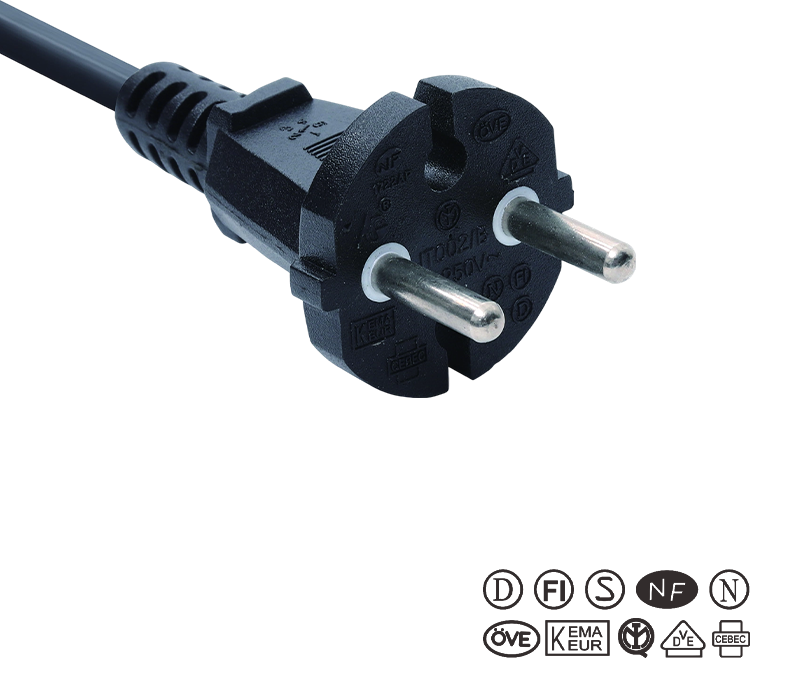 European Standard 16A Two-Pin Tool Plug for Heavy-Duty EquipmentThis reinforced plug suits demanding power tools and high-current applications, with flexible cable options and European compliance, aligning with the article's advice on matching local standards.View Product →
When you compare total cost, consider logistics as well as unit price. A supplier located near an international port can move finished components faster and with lower freight risk, especially when you order multiple product lines together.
Sourcing Considerations When Buying Electrical Equipment Components
Consolidating components from one qualified factory reduces coordination overhead and makes quality control easier. Instead of buying plugs from one vendor, LED connectors from another, and string lights from a third, you can specify an integrated set of electrical equipment components that have been tested together.
Customization is another factor. A serious manufacturer should be able to adjust cable length, connector orientation, plating, or packaging to suit your assembly process. For lighting products, the choice between a 24V low-voltage string light and a 220V version affects both safety and installation cost; confirming the exact input before ordering avoids expensive field modifications.
 24V Outdoor Bluetooth-Controlled LED String Lights for Festive DecorThese low-voltage, app-controlled string lights offer safe large-area decoration, and the 24V input matches the previous paragraph's emphasis on confirming voltage to avoid field modifications.View Product →
Before placing a large order, request samples and verify the physical dimensions against your enclosure or fixture. Check the terminal torque, the smoothness of the plug pins, and the strain relief where the cable enters the housing. Those small details often predict whether the component will survive years of daily use.
If you need help defining the right component set for your market, contact the manufacturer directly with your voltage, plug type, and installation environment. A supplier that asks the right questions is usually the one that can deliver a solution rather than a catalog.
Electrical equipment components are not commodity parts. The right plug, connector, or switch is the difference between a product that passes inspection and one that fails in the field. Pay attention to ratings, IP protection, certification, and the manufacturer's ability to provide consistent quality across the whole wiring system.
Latest News
Contact Us
LET'S START COLLABORATING
 Ningbo TOP Electromechanical Co., Ltd.
specializes in the R&D and manufacturing of
wires & cables, plugs & sockets, waterproof LED connectors, and more. Ourproducts
meet multiple international certifications and are widely used in global markets.
STAY CONNECTED
 Phone:+86-13586690829
Tel:+86-0574-62135837-801
 [email protected]
 Sibei Industrial Yuyao City, Ningbo, Zhejiang, China
MOBILE
Copyright © Ningbo TOP Electromechanical Co., Ltd. All Rights
Reserved
 Custom Electrical Power Cord Manufacturers