


 中文简体
中文简体  Español
Choosing the Right Heavy-Duty Power Cord: Length, Gauge, and Safety Features Explained
 2026.04.02
 Industry News
Understanding Heavy-Duty Power Cords
Heavy-duty power cords are essential tools for powering high-energy devices, machines, and equipment. Unlike standard cords, these cords are designed to handle larger electrical loads, providing safety and durability in various settings such as construction sites, industrial areas, and even in your home for appliances that require more power. Choosing the right heavy-duty power cord involves understanding factors like the cord's length, gauge, and insulation type, all of which ensure the proper functioning of your electrical systems without overheating or damaging the connected devices.
Choosing the Right Length for Your Power Cord
When selecting a heavy-duty power cord, one of the most important considerations is the length of the cord. The length you choose affects both convenience and safety. A cord that is too short can limit the distance between the power source and the device, forcing you to rely on dangerous or inconvenient workarounds. On the other hand, a cord that is too long can be cumbersome, pose tripping hazards, and may lead to energy loss due to longer resistance in the wire.
Optimal Cord Length for Different Uses
The optimal length for a heavy-duty power cord depends on the device or equipment you are powering. Below is a general guide for selecting an appropriate length:
- For small household appliances, 6-10 feet is usually sufficient.
- For larger appliances like refrigerators or power tools, 10-25 feet provides enough reach.
- Industrial or outdoor equipment may require cords ranging from 25 feet to 100 feet, depending on the size and layout of the space.
Understanding Power Cord Gauge
The gauge of a power cord indicates its thickness and, by extension, its capacity to carry electrical current. A thicker cord (lower gauge number) is better suited for handling high-power devices, while thinner cords (higher gauge numbers) are appropriate for smaller electrical needs. For heavy-duty applications, you’ll typically see gauges between 12 AWG (American Wire Gauge) and 10 AWG.
How Gauge Affects Your Power Cord Performance
A lower gauge number corresponds to a thicker wire that is capable of carrying more current with less resistance. This is particularly important when powering large equipment or using a cord over a long distance, as it helps prevent overheating and voltage drop. On the other hand, higher gauge cords (such as 16 AWG or 18 AWG) are suitable for light-duty applications.
- 12 AWG: Ideal for most power tools and home appliances, offering a good balance of flexibility and power capacity.
- 10 AWG: Best for heavy-duty equipment like air conditioners, industrial machinery, and large appliances.
- 16 AWG and higher: Suitable for light-duty applications where the power demand is lower.
Insulation Types for Heavy-Duty Power Cords
The insulation material used in a power cord determines its durability and safety in different environments. For heavy-duty applications, the insulation must be robust enough to withstand extreme temperatures, moisture, abrasions, and other potential hazards. The most common insulation materials for heavy-duty power cords include:
- PVC (Polyvinyl Chloride): Provides excellent protection against moisture and abrasion. Common in general-purpose cords.
- Rubber: Highly flexible and durable, rubber insulation is ideal for outdoor use where exposure to the elements is a concern.
- TPE (Thermoplastic Elastomer): A more advanced insulation material that offers superior flexibility and resistance to oil, chemicals, and extreme temperatures.
Selecting the right insulation material depends on the environment in which the power cord will be used. For example, rubber-insulated cords are ideal for outdoor construction work, while PVC may suffice in indoor or low-traffic areas.
Safety Features of Heavy-Duty Power Cords
When working with high-power devices, safety is paramount. Heavy-duty power cords often come equipped with a variety of safety features to ensure that you are protected during use:
- Grounded Cords: These cords have an additional wire that directs any stray electrical current safely to the ground, preventing shocks.
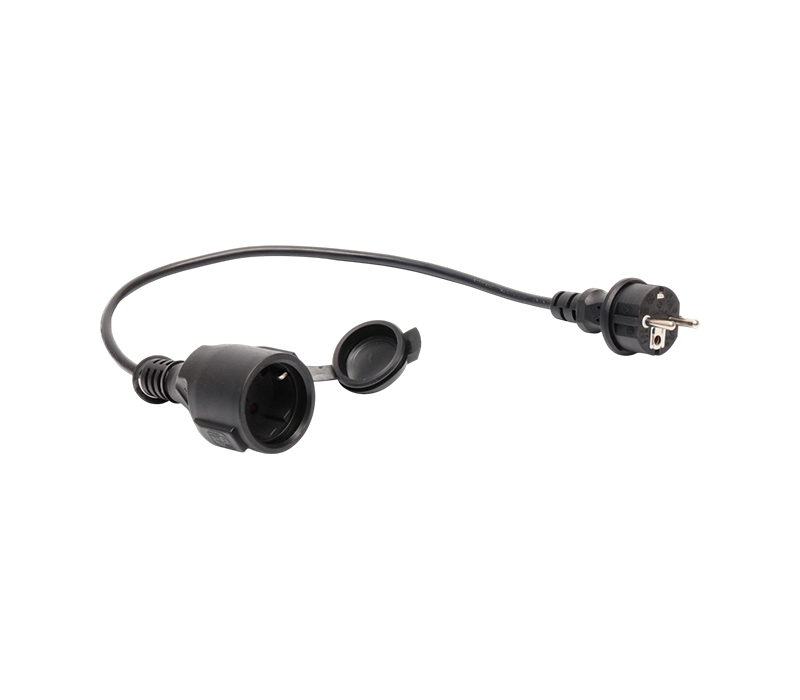
- Weatherproof Covers: Designed to protect the plug from water and dust, ensuring safe outdoor use.
- Overload Protection: Some power cords include built-in circuit breakers or fuses that disconnect the circuit in the event of an overload, preventing damage or fire hazards.
Choosing the Best Heavy-Duty Power Cord for Your Needs
Ultimately, selecting the best heavy-duty power cord comes down to understanding your power requirements, environmental factors, and safety needs. Here’s a quick summary of factors to consider when making your choice:
- Choose the correct length based on the distance between your power source and the equipment.
- Select the right gauge to handle the required electrical load without overheating.
- Pick the appropriate insulation material for your working environment (outdoor, wet, or high-traffic areas).
- Look for safety features such as grounding and overload protection to ensure secure usage.
Latest News

Contact Us
LET'S START COLLABORATING
 Ningbo TOP Electromechanical Co., Ltd.
specializes in the R&D and manufacturing of
wires & cables, plugs & sockets, waterproof LED connectors, and more. Ourproducts
meet multiple international certifications and are widely used in global markets.
Ningbo TOP Electromechanical Co., Ltd.
specializes in the R&D and manufacturing of
wires & cables, plugs & sockets, waterproof LED connectors, and more. Ourproducts
meet multiple international certifications and are widely used in global markets.
STAY CONNECTED
 Phone:+86-13586690829
Tel:+86-0574-62135837-801
 [email protected]
[email protected]
 Sibei Industrial Yuyao City, Ningbo, Zhejiang, China
MOBILE
Copyright © Ningbo TOP Electromechanical Co., Ltd. All Rights
Reserved
 Custom Electrical Power Cord Manufacturers