


 中文简体
中文简体  Español
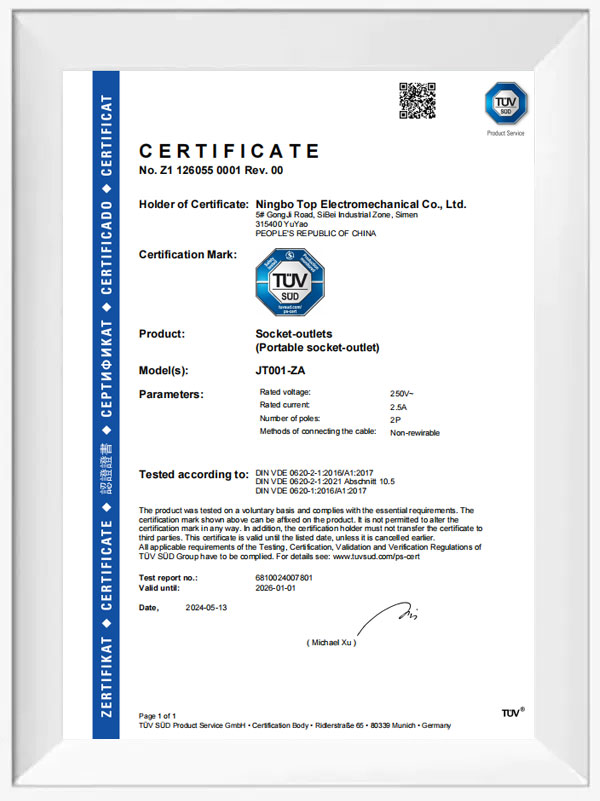
As China LED Connector Harness Manufacturers and LED Strip Connector Suppliers, Ningbo TOP Electromechanical Co., Ltd. is a globally renowned supplier of electrical and electronic products, specializing in the research, development, and manufacturing of series such as wires and cables, plugs and sockets, waterproof LED connectors, LED junction boxes, and lighting string wiring. The company strictly adheres to national and international standards, establishing itself in the market with exceptional quality and serving customers both domestically and internationally. Located in the conveniently accessible and economically vibrant Yuyao Zhongyi Wanyang Innovation Park on the southern coast of Hangzhou Bay, the company enjoys a strategic position with a one-hour economic radius covering Hangzhou International Airport, Ningbo Port, and Shanghai Airport. Its logistics network extends globally, ensuring prompt delivery and efficient service. We possess state-of-the-art manufacturing and testing equipment, implement comprehensive quality management systems, and have built a professional service team to ensure high standards at every stage from production to after-sales service. The company has obtained multiple international certifications, including CCC, VDE, UL, PSE, ASTA, SAA, and KC, with products meeting various international safety standards and earning the trust of clients worldwide. Our vision is to become a leader in the global power connection industry. We remain customer-centric, pursue excellence, and look forward to partnering with collaborators to achieve a brilliant future.

CATEGORIES
LED Strip Connector Manufacturers
-
 01 PlugAlthough this plug appears minimalist, it delivers outstanding performance. Its unique feature is it...
 -
 DC5x5x2.1 Male/Female Snap-Lock ConnectorThe DC5x5x2.1 male/female snap-lock connector stands out with its innovative latching design. It all...
 -
 IP67 Male/Female Y-Shaped ConnectorThe IP67 male/female Y-shaped connector offers excellent protection performance. Its IP67 rating ind...
 -
 LED3A 3-Pin Male/Female ConnectorThe LED3A 3-pin male/female connector is specifically designed for LED applications. Its key feature...
 -
 LED3A ConnectorThe LED3A connector is highly versatile and powerful. Its primary advantage is the availability of m...
 -
 LED8A ConnectorThe LED8A connector is tailored for high-power LED applications. Its standout feature is its 8A 48V ...
 -
 3-Pin High-Voltage Male/Female ConnectorThis high-voltage connector features an electrical specification of 5A 250V AC, suitable for high-vo...
 -
 1-To-1 Connection CableThe 1-to-1 connection cable has an electrical specification of 3A 250V, meeting the connection needs...
 -
 2-To-2 Connection CableThe 2-to-2 connection cable shares an electrical specification of 3A 250V, ensuring stable current t...
 -
 P02 Terminal Connection CableThe P02 terminal connection cable is known for its reliable performance. Its distinctive feature is ...
 -
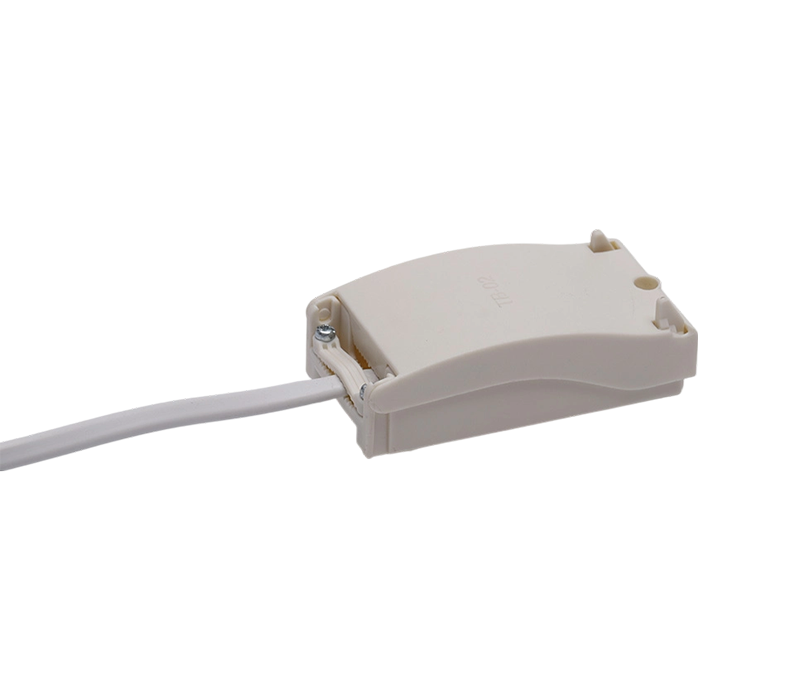 Light Fixture Connection BoxThe light fixture connection box offers comprehensive functionality. Its integrated design allows ce...
 -
 Small High-Voltage ConnectorThis compact high-voltage connector offers clear advantages. It features an electrical specification...
Introduction: Used for electrical circuit connections and disconnections, including power connectors, data connectors, and RF connectors.
Applications: Industrial automation, communication equipment, automotive electronics, medical devices, and other sectors.
Manufacturing: Produced using high-precision molds, with materials such as copper alloys, stainless steel, and engineering plastics; certified by UL and CE.
Services: Offers customized connector solutions supporting quick connect/disconnect and anti-misplug designs.
Advantages: Low contact resistance, stable transmission, strong environmental resistance (dustproof, waterproof, corrosion-resistant).

About Us

Ningbo TOP Electromechanical Co., Ltd.
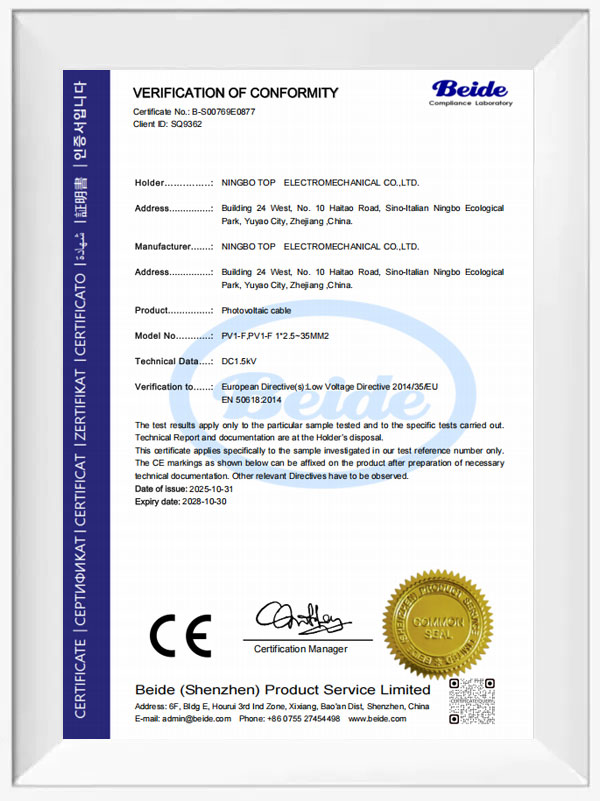
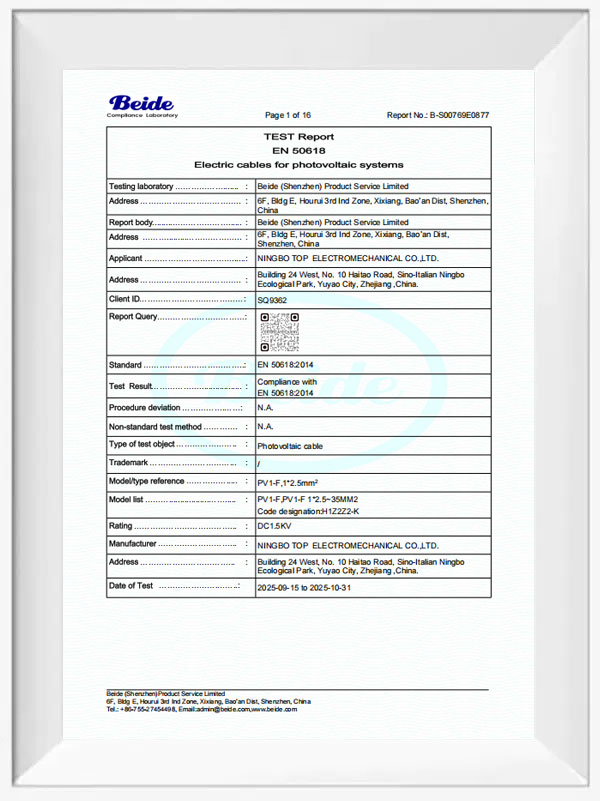
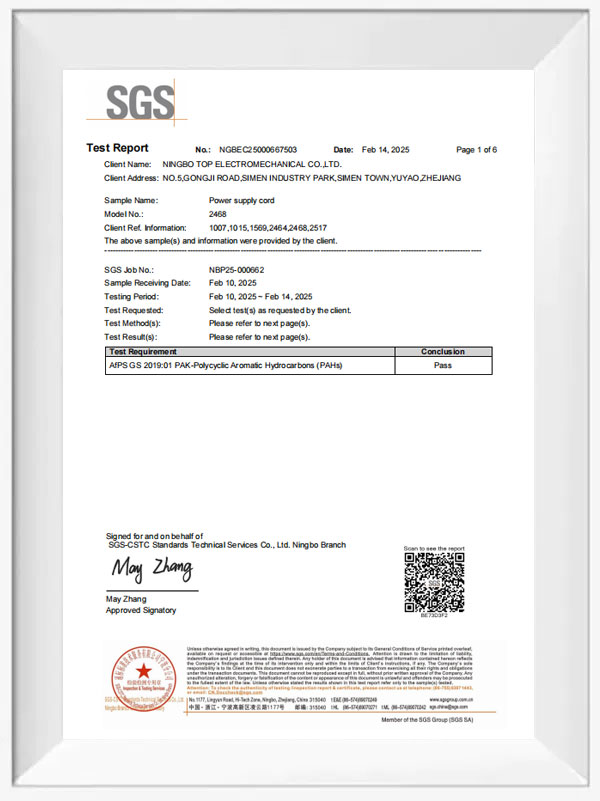
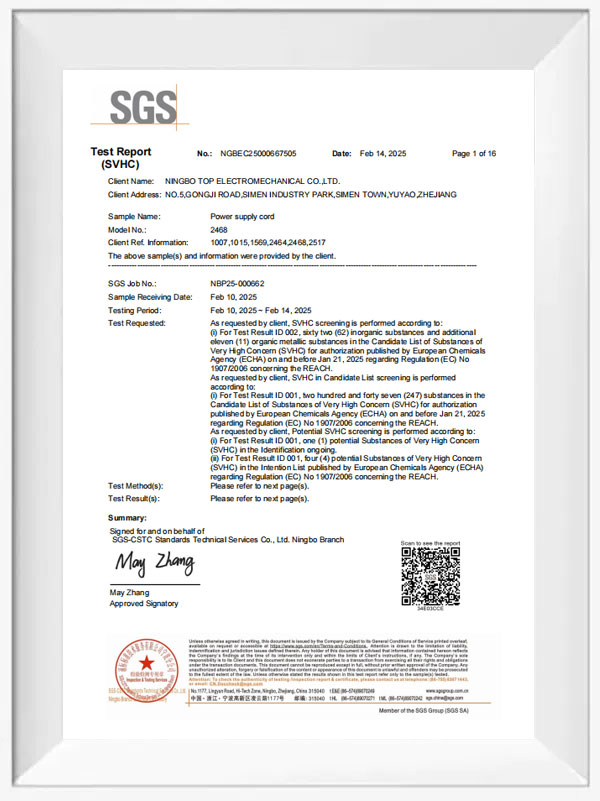
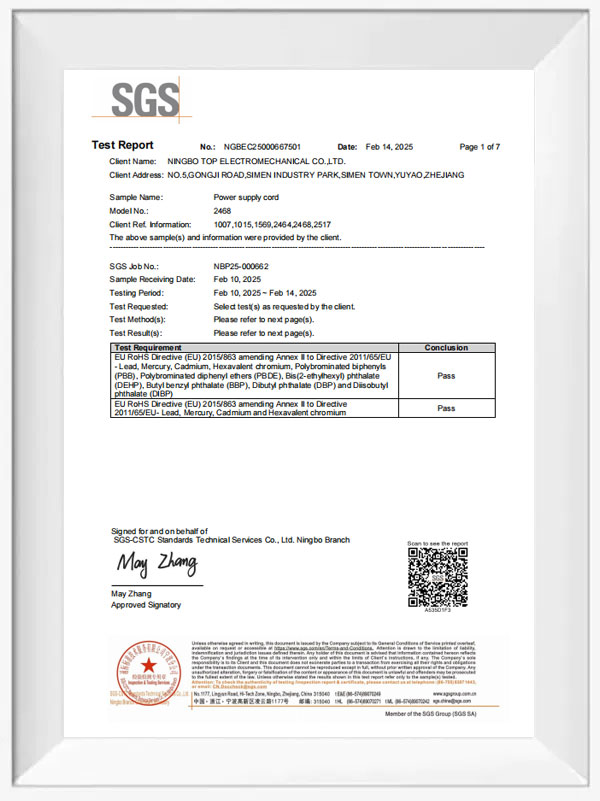
Certificate Of Honour


Latest News
Industry knowledge
What is the working principle of an LED strip connector?
The main function of an LED strip connector is to connect multiple LED strip segments, ensuring that current flows smoothly into each LED module, thus maintaining the normal operation of the entire lighting system. Its working principle is based on electrical conductivity, providing a stable electrical connection between different LED strip segments through metal contacts or soldered connections, and preventing flickering, malfunctions, or electrical fires caused by unstable current or poor connections.
Basic Structure and Working Method of the Connector
An LED strip connector typically consists of multiple metal conductive contact points and an external plastic or metal casing. The internal metal contact points of the connector come into contact with the wires of the LED strip, conducting current from one strip segment to another. For most strip connectors, the stability of the electrical connection depends on the quality of the connector's metal contacts, the contact area, and the fixing method. Common connection methods include quick-connect and soldered connections.
In quick-connect connectors, the ends of the connector usually use a clamping mechanism to secure the ends of the LED strip. When the strip is inserted, the metal contact pieces of the connector are pressed against the copper wires of the strip by a spring or pressing device, ensuring stable current conduction. Soldered connectors require soldering the connector to the wires of the LED strip using a soldering iron and solder material, ensuring that the current does not overheat or disconnect due to poor contact.
Signal Transmission and Current Transfer
LED strips transmit power or signals to each strip segment through the connector. Different types of LED strips require different types of connectors. For example, single-color LED strips usually only require a two-pin connector (positive and negative electrodes), while RGB strips require more pins to transmit the signals for red, green, and blue colors separately, as well as a common negative electrode. RGBW strips will have four or five pins, controlling red, green, blue, white, and a common negative terminal, respectively.
The accuracy of signal transmission is especially important for RGB and RGBW LED strips, as the colors of these strips are achieved by mixing red, green, blue, and white LED light sources. The connector must ensure that the signal for each color channel is accurately transmitted and that the signal is not interfered with or attenuated during the current transmission process.
Safety Design of Connectors
LED strip connectors must possess high-quality insulation protection and conductivity to ensure stable current flow without safety hazards such as overheating, short circuits, or fires. To prevent current leakage and electric shock accidents, the connector housing material usually uses plastic or metal with excellent insulation properties, complying with international electrical safety standards (such as UL certification, CE certification, etc.). In addition, the connector's metal contacts are specially treated to ensure they do not easily oxidize or wear out during high current and prolonged use.
What are the installation methods for LED Strip Connectors?
Installing LED strip connectors is a crucial step in ensuring the proper functioning of the LED strip system. Correct installation not only ensures the stability of the electrical connection but also effectively prevents electrical problems caused by poor connections (such as flickering or overheating of the LED strip). Installation methods vary depending on the type of LED strip connector.
Quick-Connect Connector Installation
Quick-connect connectors are a common DIY connector, requiring no soldering, making them ideal for home users and installers. They are easy to use, require no complex tools, and are suitable for most LED strips. The installation steps are as follows:
- Step 1: Prepare tools and materials: Before installation, prepare the LED strip, quick-connect connectors, scissors or wire cutters, and other necessary tools.
- Step 2: Cut the LED strip: Cut the LED strip into appropriate lengths using scissors, according to the required length and installation location. When cutting, ensure that the cut is aligned with the markings and does not cut into the copper wires of the circuit board.
- Step 3: Insert the connector: Insert both ends of the LED strip into the connector's sockets. Quick-connect connectors usually use a clamping mechanism; by pressing down on the clamping device on the connector, the copper wires of the LED strip are firmly clamped, ensuring stable electrical contact.
- Step 4: Check for secure connection: After inserting the LED strip, gently pull on the strip and connector to check for a secure connection. Ensure that the connector is not loose, otherwise it will affect current transmission and lead to electrical faults.
- Step 5: Test current and brightness: After installation, connect the power supply and test whether the LED strip lights up normally. If the LED strip is evenly and stably lit, the installation is successful.
Soldering Connector Installation
For applications requiring high stability and long-term use, soldered connectors are a more reliable option. Soldered connectors provide stronger electrical conductivity and durability. The installation steps are as follows:
- Step 1: Prepare tools and materials: You will need the LED strip, soldering tools (such as a soldering iron and solder wire), and scissors.
- Step 2: Processing the LED Strip Port: Use scissors to trim the LED strip port, removing the excess protective layer to expose the copper wires.
- Step 3: Soldering the Connector: Align the soldering end of the connector with the wire end of the LED strip, heat the connection point with a soldering iron, and apply solder to ensure a secure connection and prevent cold joints.
- Step 4: Checking the Soldering Quality: After soldering, use a multimeter to test the current at the soldering point to ensure stable current and no short circuits or poor contact issues.
- Step 5: Protecting the Soldering Point: To prevent oxidation or short circuits, protect the soldering point with electrical tape or heat shrink tubing to ensure durability and safety.
Angle Connector Installation
Angle connectors are used when the LED strip needs to change direction. The installation steps are similar to straight connectors, with the only difference being the direction adjustment. The installation steps are as follows:
- Step 1: Prepare Tools and Materials: Prepare the LED strip, angle connector, scissors or pliers, etc.
- Step 2: Cutting the LED Strip: Cut the LED strip according to the required angle (e.g., 90 degrees or 180 degrees).
- Step 3: Inserting the Angle Connector: Insert the cut LED strip port into the angle connector, ensuring a secure connection and that the strip is in the correct direction.
- Step 4: Securing the Connector: Some angle connectors use fixing clips or snap mechanisms to ensure the connector is secure and prevents the LED strip from slipping out.
T-type and Y-type Connector Installation
T-type and Y-type connectors are used to connect multiple LED strip branches. The installation steps are similar to other types of connectors. Simply ensure that each LED strip port is correctly inserted into the corresponding socket, and test that all connections are stable.
How to Choose the Right LED Strip Connector?
Choosing the right LED strip connector is a crucial step in ensuring stable electrical connections and proper operation of the LED strip. The correct connector not only provides better electrical conductivity but also improves the safety and durability of the LED strip system. When choosing a suitable connector, users should consider factors such as the LED strip specifications, current carrying capacity, environmental requirements, and ease of installation.
LED Strip Type and Specifications
The most important factor when choosing an LED strip connector is the type of LED strip. Different types of LED strips require different specifications of connectors. For example:
- Single-color LED strips: These strips have relatively simple electrical requirements and usually only need a two-pin connector (positive and negative).
- RGB LED strips: RGB strips require a four-pin connector to control red, green, blue, and the common ground.
- RGBW LED strips: These strips typically require a five-pin connector to control red, green, blue, white, and the ground.
Therefore, ensure that the number of pins on the connector matches the signal requirements of the LED strip. Choosing the wrong type of connector may result in the LED strip not working properly or displaying inaccurate colors.
Current Carrying Capacity and Power Requirements
The power and current requirements of the LED strip directly affect the choice of connector. High-power LED strips (e.g., high-power white or RGB LED strips) require connectors that can handle higher currents; otherwise, the connector may overheat, fail, or even be damaged.
When choosing, you can calculate the current requirement using the following formula:
Current = Power / Voltage
For example, if the LED strip power is 24 watts and the voltage is 12V, the required current is:
Current = 24 / 12 = 2A
For high-power LED strips, ensure that the chosen connector can withstand the higher current to avoid electrical overload and overheating problems.
Waterproof Rating and Operating Environment
If the LED strip is used outdoors or in a humid environment, choosing a connector with waterproof capabilities is crucial. Waterproof connectors effectively prevent water ingress, ensuring the stability of electrical connections. Common waterproof ratings include IP65, IP67, and IP68:
- IP65: Protects against water jets, suitable for outdoor use.
- IP67: Provides short-term waterproofing, suitable for submerged environments.
- IP68: Can be used underwater for extended periods, suitable for extreme environments.
Ningbo TOP Electromechanical Co., Ltd.'s LED Strip Connectors offer a variety of waterproof ratings to meet the needs of different environments, ensuring stable operation in outdoor, humid, and industrial settings. The company pays special attention to the sealing design and waterproof performance of its connectors to ensure durability in harsh conditions.
Safety Certifications and Quality Standards
When choosing an LED Strip Connector, it is essential to ensure that it complies with international electrical safety standards. Ningbo TOP Electromechanical Co., Ltd.'s LED Strip Connectors have obtained multiple international certifications, such as VDE, UL, and CE certifications. These certifications ensure that the products meet strict quality requirements and safety standards globally.
For example, UL certification is a globally recognized electrical safety certification. Products with UL certification meet American electrical safety standards and can prevent risks such as electrical fires or electric shocks. CE certification signifies that the product complies with EU safety, health, and environmental standards, which is crucial for entering the European market.
Ease of Installation and Compatibility
When choosing an LED Strip Connector, ease of installation is also a very important consideration. Ningbo TOP Electromechanical Co., Ltd. offers a variety of connector options, including quick-connect connectors and solder-type connectors. Quick-connect connectors do not require soldering, making them easier to use and suitable for DIY and non-professional installation. While solder-type connectors are slightly more complex to install, they offer higher stability and reliability for long-term use.
Furthermore, choosing connectors with broad compatibility is also important. For users who need to connect to LED strips of different brands and models, choosing a highly compatible connector can avoid installation difficulties due to mismatched sizes or incompatible interfaces. Ningbo TOP Electromechanical Co., Ltd.'s connectors are compatible with many popular LED strips on the market, meeting the needs of different customers.
Company Advantages and Quality Assurance
Ningbo TOP Electromechanical Co., Ltd., in the production of LED strip connectors, provides high-quality products to global customers through its automated production lines, strict quality control system, and strong testing capabilities. The company's production lines feature 60% automation, with an annual production capacity of up to 4 million units, ensuring efficient and high-quality mass production. The first-pass yield rate in key production stages exceeds 99.8%, ensuring that every batch of products meets stringent quality standards.
As an ISO 9001 certified company, Ningbo TOP Electromechanical Co., Ltd. implements a comprehensive traceability system in its production process, ensuring that the quality of each connector product is traceable and monitorable. The company also possesses a professional testing laboratory and applies for more than 5 patents annually, ensuring its leading position in product performance and innovation.
With products certified by over 20 international certifications worldwide, Ningbo TOP Electromechanical Co., Ltd.'s LED strip connectors have gained widespread international market recognition, entering numerous countries and regions including Europe, the United States, Japan, and South Korea. Through global market access and stable product quality, the company provides customers with more efficient and safer electrical connection solutions.
Contact Us
LET'S START COLLABORATING
 Ningbo TOP Electromechanical Co., Ltd. specializes in the R&D and manufacturing of
wires & cables, plugs & sockets, waterproof LED connectors, and more. Ourproducts
meet multiple international certifications and are widely used in global markets.
Ningbo TOP Electromechanical Co., Ltd. specializes in the R&D and manufacturing of
wires & cables, plugs & sockets, waterproof LED connectors, and more. Ourproducts
meet multiple international certifications and are widely used in global markets.
STAY CONNECTED
 Phone:+86-13586690829
Tel:+86-0574-62135837-801
 [email protected]
[email protected]
 Sibei Industrial Yuyao City, Ningbo, Zhejiang, China
MOBILE
Copyright © Ningbo TOP Electromechanical Co., Ltd. All Rights
Reserved
 Custom LED Strip Connector Suppliers