


 中文简体
中文简体  Español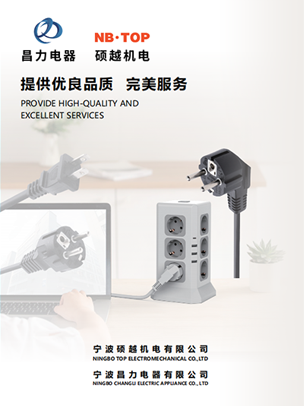
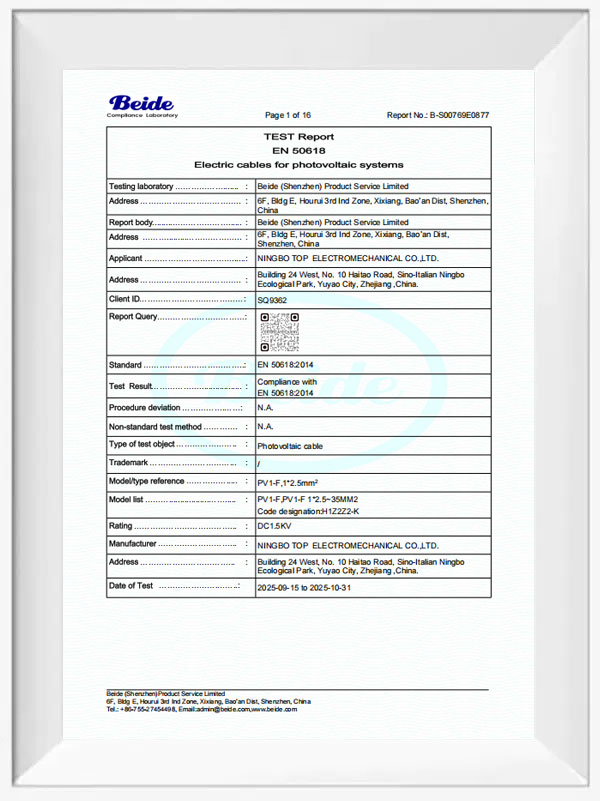
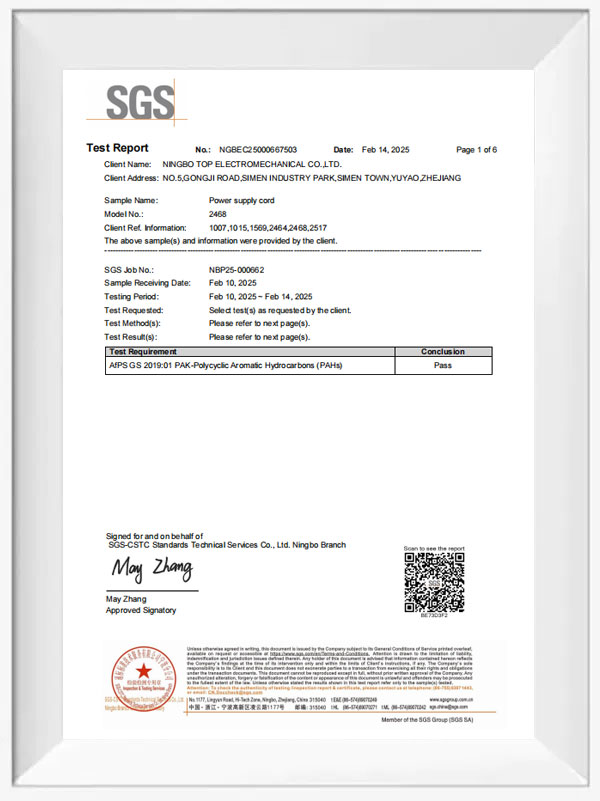
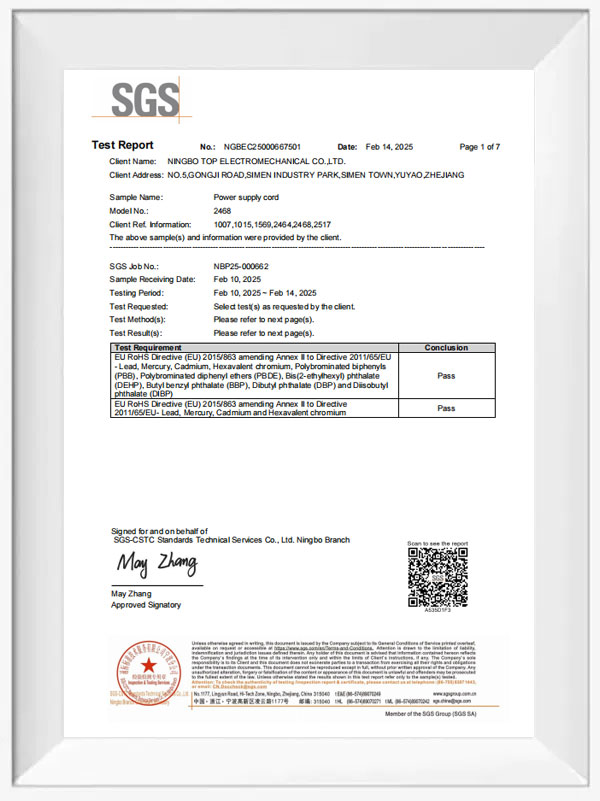
As China Waterproof LED Junction Box Manufacturers and Waterproof LED Junction Box Suppliers, Ningbo TOP Electromechanical Co., Ltd. is a globally renowned supplier of electrical and electronic products, specializing in the research, development, and manufacturing of series such as wires and cables, plugs and sockets, waterproof LED connectors, LED junction boxes, and lighting string wiring. The company strictly adheres to national and international standards, establishing itself in the market with exceptional quality and serving customers both domestically and internationally. Located in the conveniently accessible and economically vibrant Yuyao Zhongyi Wanyang Innovation Park on the southern coast of Hangzhou Bay, the company enjoys a strategic position with a one-hour economic radius covering Hangzhou International Airport, Ningbo Port, and Shanghai Airport. Its logistics network extends globally, ensuring prompt delivery and efficient service. We possess state-of-the-art manufacturing and testing equipment, implement comprehensive quality management systems, and have built a professional service team to ensure high standards at every stage from production to after-sales service. The company has obtained multiple international certifications, including CCC, VDE, UL, PSE, ASTA, SAA, and KC, with products meeting various international safety standards and earning the trust of clients worldwide. Our vision is to become a leader in the global power connection industry. We remain customer-centric, pursue excellence, and look forward to partnering with collaborators to achieve a brilliant future.

CATEGORIES
Waterproof LED Junction Box Manufacturers
-
 803-4WAY Splitter BoxThe 803-4WAY Splitter Box offers distinctive advantages, with an electrical specification of 3A/7A a...
 -
 803-12WAY Splitter BoxThe 803-12WAY Splitter Box stands out with its robust features. It is rated at 3A/7A and 6-48V DC, m...
 -
 804-6WAY Splitter BoxThe 804-6WAY Splitter Box is uniquely designed. It features an electrical capacity of 3A/7A at 6-48V...
 -
 805-6WAY Splitter BoxThe 805-6WAY Splitter Box offers clear advantages. Rated at 3A/7A with a voltage range of 6-48V DC, ...
 -
 806-3WAY Splitter BoxThe 806-3WAY Splitter Box delivers exceptional performance. With electrical ratings of 3A/5A/7A at 1...
 -
 806-4WAY Splitter BoxThe 806-4WAY Splitter Box possesses unique appeal. Rated at 3A/5A/7A with a voltage range of 12-48V ...
 -
 806-6WAY Splitter BoxThe 806-6WAY Splitter Box excels in performance and versatility. With ratings of 3A/5A/7A at 12-48V ...
 -
 806-9WAY Splitter BoxThe 806-9WAY Splitter Box demonstrates excellent performance with electrical specifications of 3A/5A...
 -
 801B-3WAY Splitter BoxThe 801B-3WAY Splitter Box excels with electrical ratings of 3A, up to a maximum of 10A at 30V DC, p...
 -
 801B-6WAY Splitter BoxThe 801B-6WAY Splitter Box provides outstanding capabilities with electrical specifications of 3A, u...
 -
 HV-4WAY High-Voltage Splitter BoxThe HV-4WAY High-Voltage Splitter Box features exceptional performance with ratings of 7A at 250V AC...
 -
 HV-6WAY High-Voltage Splitter BoxThe HV-6WAY High-Voltage Splitter Box offers notable advantages with similar electrical ratings of 7...
Introduction: Used for circuit distribution and protection, splitting a single power input into multiple output ports.
Applications: Residential wiring, industrial control, building cabling, and similar scenarios.
Manufacturing: Made with flame-retardant housings, internal copper or terminal strips, supporting overload protection (e.g., fuses).
Services: Provides customized port quantities and specifications, supports IP protection levels.
Advantages: High safety, easy installation, simple maintenance.

About Us

Ningbo TOP Electromechanical Co., Ltd.
Certificate Of Honour





Latest News
Industry knowledge
What are the functions and applications of an LED Splitter Box?
An LED Splitter Box is a device used to distribute power or signals from a single source to multiple LED strips or fixtures. It plays a crucial role in LED lighting systems, especially in large-scale lighting projects or environments requiring control of multiple LED strips. The splitter box not only simplifies power distribution but also ensures that each LED strip or fixture receives the necessary current and signals smoothly, guaranteeing the stability and performance of the entire system.
Functions:
- Power Distribution: One of the main functions of an LED Splitter Box is to distribute the input power to multiple LED strips or fixtures. It evenly distributes power to each output port, ensuring that each strip or fixture receives sufficient current for uniform and stable brightness.
- Signal Distribution: For RGB or RGBW type LED strips, the LED Splitter Box is also responsible for distributing control signals (such as red, green, blue, and white signals) from the controller to each strip. This is crucial for precise control of color changes or dynamic effects.
- Current and Voltage Control: During the distribution process, the LED Splitter Box effectively controls the stability of current and voltage, preventing damage caused by current overload or uneven distribution. It helps maintain current balance, ensuring stable operation of all LED strips or fixtures.
- Protection Functions: High-quality LED Splitter Boxes usually integrate protection functions such as overload protection, short-circuit protection, and overcurrent protection. This effectively prevents damage to the fixtures due to power fluctuations or electrical faults.
Applications:
- Home and Commercial Lighting: LED Splitter Boxes are widely used in LED lighting systems in homes, offices, shopping malls, and other places, especially in large areas or multiple zones requiring lighting. For example, the ceiling lighting system in a shopping mall often requires multiple LED strips, and the LED Splitter Box can distribute power and signals to each strip for unified control.
- Stage and Theater Lighting: In stages, theaters, or concerts, LED strips are often used for background lighting or creating dynamic effects. An LED Splitter Box is used to distribute control signals (such as DMX signals) to multiple LED strips, ensuring the synchronization of color changes and lighting effects.
- Landscape Lighting: Landscape lighting projects, such as courtyards, gardens, and road lighting strips, require power and signal distribution to different LED strips. The LED Splitter Box helps achieve this while ensuring the safety and stability of electrical connections.
- Industrial and Factory Lighting: In some large industrial or factory environments, LED strips are used for lighting in workshops, warehouses, and production lines. The LED Splitter Box ensures that LED strips in multiple areas receive stable current and signal support, preventing dead zones.
How to Choose the Right LED Splitter Box?
Choosing the right LED splitter box is crucial for ensuring the stable and safe operation of your LED lighting system. A suitable LED splitter box not only improves system efficiency but also prevents unnecessary malfunctions and damage.
Number of Output Ports
The number of output ports on an LED splitter box determines the number of LED strips or fixtures it can support. Choosing the appropriate number of ports based on your actual needs is very important. If your system requires connecting multiple LED strips or fixtures, a splitter box with multiple output ports will be more suitable. Common output port numbers include 2, 4, 6, and 8. For large projects, multiple LED splitter boxes may need to be connected in series to meet higher output requirements.
Current and Power Handling Capacity
The power and current requirements of the LED strips will affect the choice of splitter box. The rated current of the splitter box should meet the load requirements of the entire system. For example, if the LED strips have high power or the total load is high, you need to choose an LED splitter box that can handle a larger current (such as 10A, 20A, etc.). Choosing an inappropriate current load may lead to overheating or electrical failure, affecting the normal use of the LED strips.
When choosing, users can calculate the required current based on the power and voltage of the LED strips, and then ensure that the rated current of the splitter box meets these requirements. The common power calculation formula is:
Current = Power / Voltage
For example, the current required for a 24-watt 12V LED strip is:
Current = 24 / 12 = 2A
Ensure that the rated current of the LED splitter box at least matches the required current.
Waterproof Rating
If the LED strips are used outdoors or in humid environments, waterproofing is especially important. The waterproof rating of an LED splitter box is usually indicated by the IP standard, commonly IP65, IP67, IP68, etc. Choosing an LED splitter box with strong waterproof performance can effectively prevent water from entering the electrical components, ensuring safety and stability. IP65 waterproof rating is suitable for areas subject to splashing, while IP67 and above waterproof ratings are suitable for environments where short-term immersion is possible.
Control Method
For RGB or RGBW LED strips, the LED splitter box must not only provide current distribution but also be able to transmit control signals. It is necessary to confirm whether the LED Splitter Box supports special control functions such as RGB control and DMX signals. Choosing a distribution box with appropriate signal distribution capabilities can ensure the accurate implementation of the LED strip's color and dynamic effects.
Safety Certification
Choosing an LED Splitter Box with safety certification ensures that it meets international safety standards. Common certifications include UL, CE, and RoHS, which guarantee the product's safety, environmental friendliness, and electrical performance.
How to Install and Wire the LED Splitter Box?
The correct installation and wiring of the LED Splitter Box are crucial for ensuring the stability and safety of the entire LED lighting system. To ensure that the system operates efficiently and stably during long-term use, it is necessary to follow standard procedures during installation and consider the correctness and safety of the wiring.
Preparation
Before starting the installation, first ensure that all installation tools and materials are ready. Necessary tools include: screwdriver, cable cutters, crimping tools, and cables. At this time, the user should also ensure that the rated current and voltage of the splitter box match the power of the LED strip lights to avoid system malfunctions or safety hazards.
- Power Supply and Load Matching: Before installation, check that the rated input voltage and current of the splitter box match the voltage and power of the LED strip lights. Choosing the wrong current load may lead to overheating of the splitter box, system instability, or damage to the LED strip lights.
#### 2. Choosing an Installation Location
When installing the LED Splitter Box, you need to choose a suitable location. Ningbo TOP Electromechanical Co., Ltd. recommends choosing a well-ventilated, dry, and easily accessible location for wiring. Here are some key points for choosing an installation location:
- Ventilation and Heat Dissipation: To avoid overheating, the splitter box should not be installed in high-temperature, enclosed, or excessively humid environments. Installing it in a well-ventilated area ensures stable operation of the equipment.
- Moisture and Water Resistance: For outdoor or humid environments, the LED Splitter Boxes provided by Ningbo TOP Electromechanical Co., Ltd. have waterproof features. Choosing a product with an appropriate waterproof rating (such as IP65, IP67, etc.) can effectively protect the equipment from moisture intrusion.
- Easy Wiring: The installation location should ensure that the power cord and LED strip light wires can be easily connected. Avoid excessively long or bent wires, which can affect the stability of current transmission.
Power Connection
Connecting the power supply is a critical step in the installation of the LED Splitter Box. The user should correctly connect the power cord to the input terminal of the splitter box, ensuring a stable connection, and select appropriate connectors according to the current specifications. Special attention should be paid to the following:
- Input Power Matching: Ensure that the input voltage matches the rated input voltage of the splitter box. Ningbo TOP Electromechanical Co., Ltd.'s distribution boxes comply with international electrical standards and are widely applicable to LED systems of different voltage levels, ensuring safety and reliability.
- Securing Power Cables: When inserting power cables, ensure a secure connection and avoid poor contact. Loose connections may cause current fluctuations or short circuits, affecting the normal operation of the LED strip.
Output Connection
The main function of the LED Splitter Box is to distribute current to multiple LED strips or fixtures. When connecting the output terminals, ensure that the power and control signal wires of each LED strip are correctly connected to the output ports of the distribution box. The specific steps include:
- Inserting Output Ports: Insert the power wires (positive and negative) of the LED strip into the output ports of the distribution box, ensuring that each strip receives the correct current.
- RGB Control Signal Connection (if applicable): For RGB or RGBW LED strips, correctly connect the control signal wires (red, green, blue, and white channels) to the corresponding input ports of the distribution box. This is crucial for ensuring accurate control of the strip's color display and dynamic effects.
- Confirming Output Port Current Capacity: Ensure that the current of each output port does not exceed the rated value of the distribution box. Overloading may cause the distribution box to overheat, potentially damaging the equipment or affecting system performance.
Testing and Debugging
After all wiring is complete, system testing is a very important step. This step helps ensure that all connections are good, the current distribution is even, and the LED strips light up properly. The specific operations are as follows:
- Power On: After ensuring all wiring is stable, turn on the power and observe the operating status of each LED strip. Check if any strips are not lit or have uneven brightness.
- Testing Brightness and Color Changes: If it is an RGB or RGBW LED strip, test whether the color changes and dynamic effects of the strip are as smooth as expected. If there are problems with signal distribution, check if the wiring is correct or check the signal output ports of the distribution box.
- Checking for Overheating or Abnormal Noise: During the testing process, pay attention to checking the distribution box for overheating, abnormal noise, or other unusual situations to ensure the safety of the equipment.
Ongoing Support and Customer Service
During the installation and wiring process, Ningbo TOP Electromechanical Co., Ltd. always adheres to the principle of "customer first," providing professional support and advice to our customers. If users encounter any problems during installation, we provide detailed operation manuals and video tutorials to help customers quickly resolve issues.
- Customer Consultation and Feedback: For any questions or feedback regarding installation, Ningbo TOP Electromechanical Co., Ltd. will provide patient and detailed answers to ensure that customers can successfully complete the installation process.
- Product Quality Assurance: As an ISO 9001 certified company, Ningbo TOP Electromechanical Co., Ltd. is committed to providing high-quality LED Splitter Boxes. All products undergo rigorous testing and quality control. Every product purchased by our customers is guaranteed to ensure long-term stable use.

Contact Us
LET'S START COLLABORATING
 Ningbo TOP Electromechanical Co., Ltd. specializes in the R&D and manufacturing of
wires & cables, plugs & sockets, waterproof LED connectors, and more. Ourproducts
meet multiple international certifications and are widely used in global markets.
Ningbo TOP Electromechanical Co., Ltd. specializes in the R&D and manufacturing of
wires & cables, plugs & sockets, waterproof LED connectors, and more. Ourproducts
meet multiple international certifications and are widely used in global markets.
STAY CONNECTED
 Phone:+86-13586690829
Tel:+86-0574-62135837-801
 [email protected]
[email protected]
 Sibei Industrial Yuyao City, Ningbo, Zhejiang, China
MOBILE
Copyright © Ningbo TOP Electromechanical Co., Ltd. All Rights
Reserved
 Custom Waterproof LED Junction Box Suppliers